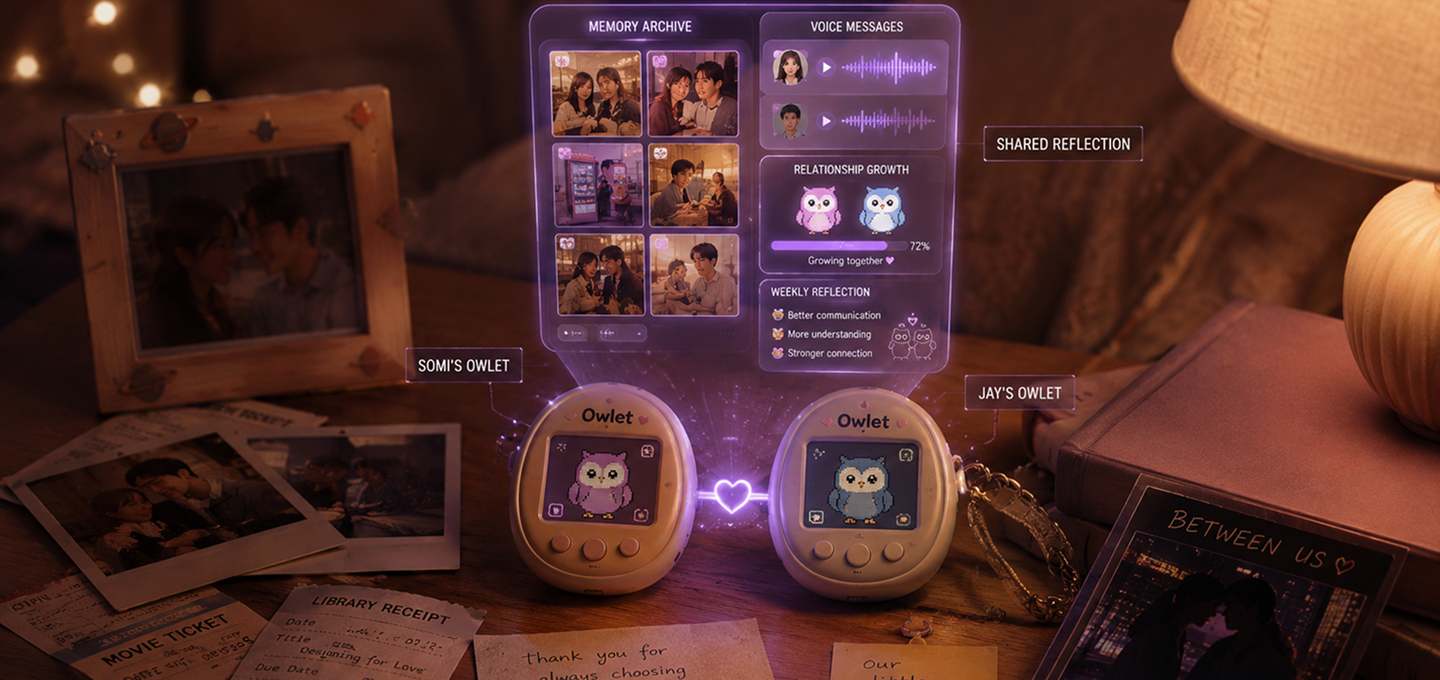
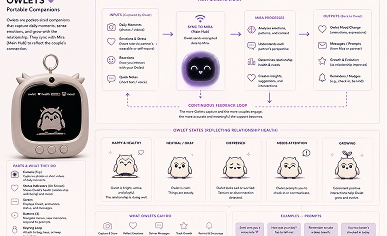
BetweenUs Owlets is a paired companion that helps couples communicate, reflect on their relationship, and grow as individuals and together — a calm presence that translates what you truly feel beneath emotional reactions and miscommunication.
Gather
Six levers set the terms of the collaboration — not to give Claude answers, but to give it the right disposition for the work ahead.
A collaborator who knows nothing about design and asks questions about any choices that might be confusing. Also a researcher who provides scientific and psychological input on the topic.
Help push past the first direction and guide exploration of more options on the topic before settling on a final one.
Call out generating without thinking. Step back when the ideas are already good.
One thing at a time, no long lists. No solutions until I've tried first. Hints instead of answers — unless I'm really stuck.
Never tell me which direction is better. Never make up ideas you are not sure about.
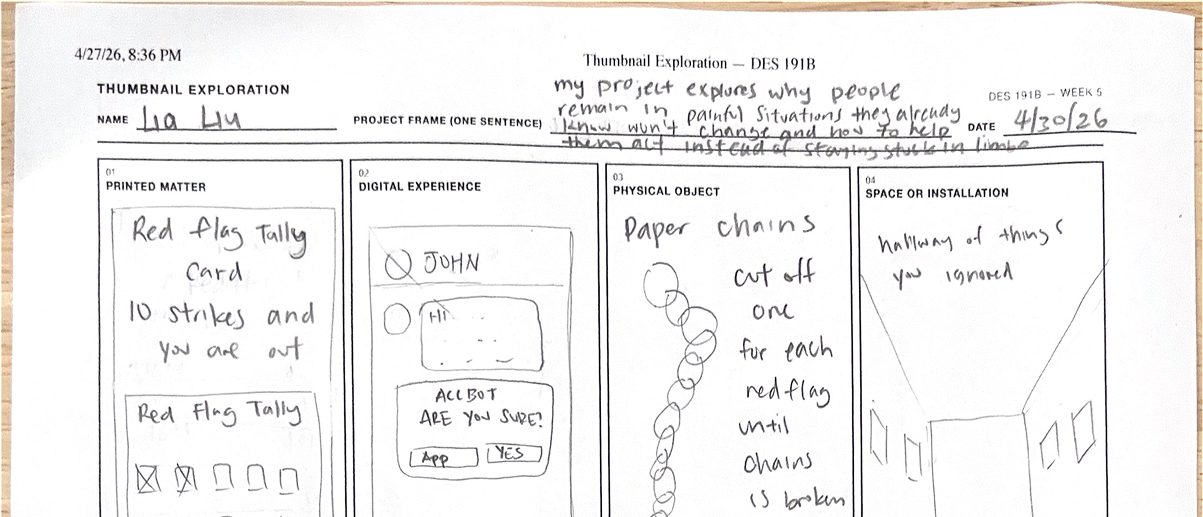
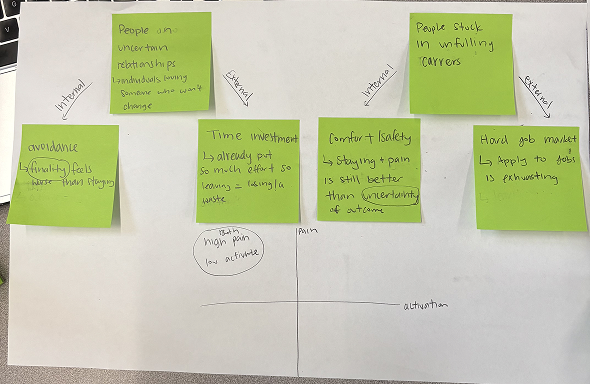
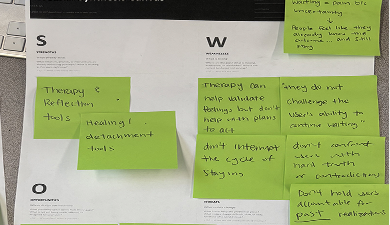
Explore how to interrupt the moment when people choose to keep waiting in situations they already know won't change, and help them act on what they already know. Our user persona is Somi.
Your prompt
"What do you see here? What does this hold that I haven't named yet?" — shared with my first app idea map
Claude
"I see an app concept built around a single moment — the moment Somi's finger is about to tap 'send.' The four branches are all working together as one system — but they're all living inside the phone, inside the same channel where the problem is happening. Here's what I notice you haven't named yet: all of this assumes Somi wants to be interrupted. Somi already knows her answer — you said that yourself in your frame. The knowing isn't the gap. The acting on the knowing is. What is actually stopping Somi from acting on what she already knows — is it speed, or is it something else?"
What it changed
It remembered previous goals and said what was missing. Most importantly, it asked an important question that pivoted the whole project direction. I was so focused on trying to make my user leave a "toxic" relationship that I neglected why they stay in the first place.
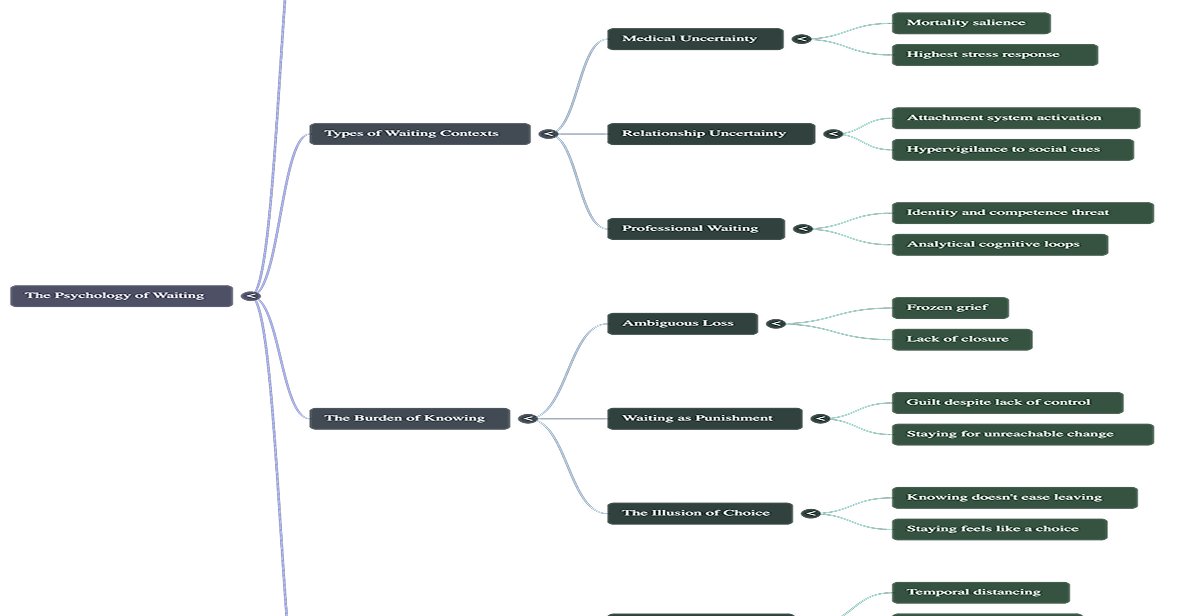
Cognitive dissonance, the sunk cost fallacy, and anxious attachment — the mechanisms that keep people locked in relational limbo even when the outcome feels clear.
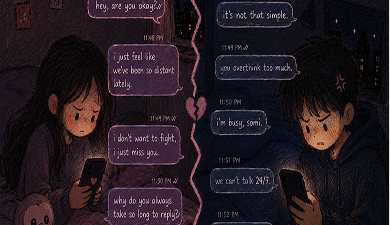
Defensive communication, escalating arguments through text, both people feeling misunderstood with no way to resolve the problem.
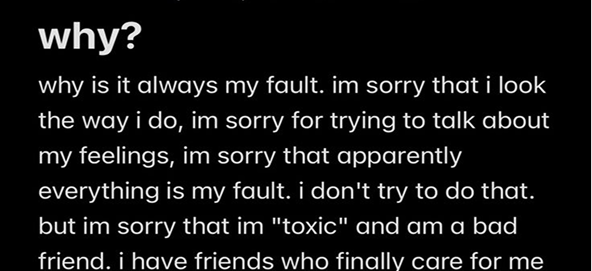
I am interested in exploring why people remain in situations that are already hurting them, even when the outcome feels clear. This topic is personal to me because I've seen and personally experienced how difficult it is to leave, and I want to help those who are in similar situations.
Explore
Three sources helped locate why Somi stays — and what cognitive mechanisms make leaving harder than knowing.
Psychology
Cognitive Dissonance — Verywell Mind
How the mind holds contradictory beliefs simultaneously, and the emotional cost of maintaining internal conflict without resolution.
Behavioral Economics
The Sunk Cost Fallacy — The Decision Lab
Why people continue investing in situations because of past investment, even when evidence suggests they should stop.
Attachment Theory
Anxious Attachment — The Attachment Project
How anxious attachment keeps people in relational patterns that hurt them — making the fear of loss more powerful than the pain of staying.
Claude kept asking: why is Somi staying if she already knows the relationship is toxic? How would the app help with the intervention before and after? The research synthesis pointed toward the same question from three different disciplines.
Stress-testing the direction
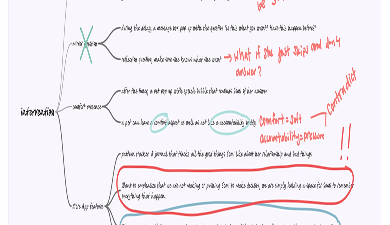
"Based on what you know about my project so far, can you stress-test this direction? The comfort aspect is what isn't being addressed right now. Accountability is good, but Somi needs to know the companion is there for her."
Claude
"Your statement says the comfort aspect 'isn't being addressed right now' — but you also said the pet does serve comfort currently, it's just that accountability is dominating. Those are two different problems. Which is it: the comfort is absent, or it's present but getting drowned out? If nothing in her life feels alive and present when she's hurting — that's exactly the gap your design could fill. What form would make something feel alive and present to a 19-year-old who is alone on her bed crying, too embarrassed to reach out to anyone?"
What it opened
The pivot from digital to physical. A companion you can hold. Something that feels alive — not an app living in the same channel as the problem.
Narrow
After presenting at midterm, one question changed everything: "How do you know what is toxic and what isn't?" The project pivoted from helping Somi leave to helping couples communicate well enough not to lose each other unnecessarily.
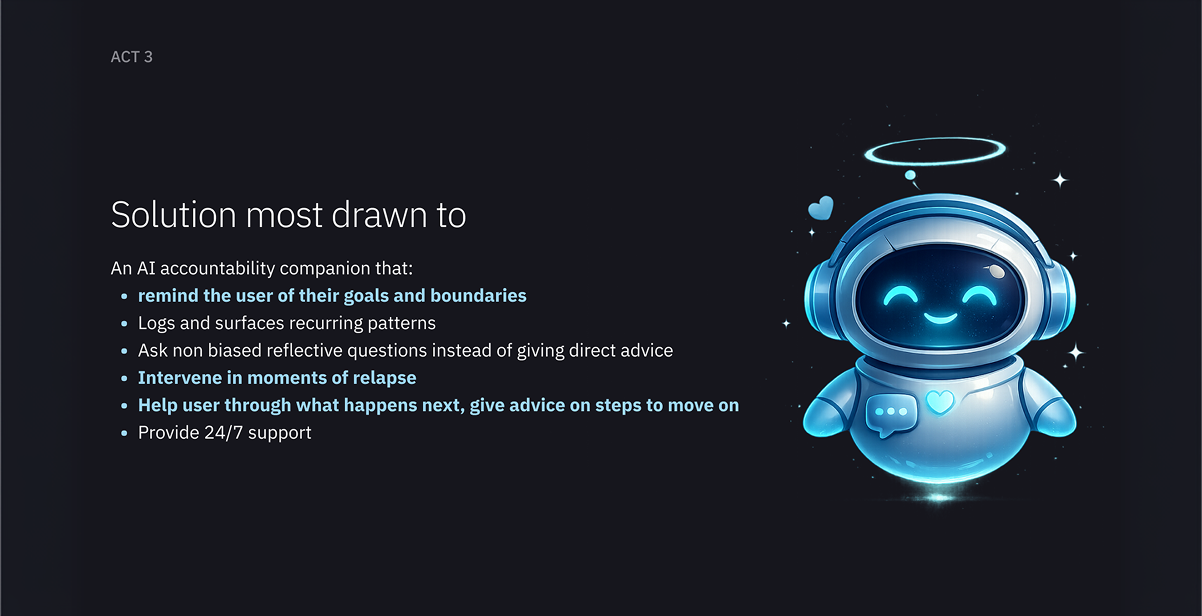
There is an opportunity to shift people who already sense the outcome but choose to keep waiting from avoidance to confrontation of reality during times when they are stuck in a limbo stage, by addressing the tension between what they already know and their resistance to making it final.
How might we expose and interrupt the moment someone chooses to wait for things to change when they know things won't change, instead of acting on it?
How might we create a way for people to make their avoidant feelings visible to themselves when they are stuck in a limbo?
How might we design a ritual of detachment where we can let go of all the fear of uncertainty and finality and leave everything behind to start fresh?
I am interested in exploring more about why people remain in situations that are already hurting them, even when the outcome feels clear. This topic is personal to me because I've seen and personally experienced how difficult it is to leave and I want to help those who are in similar situations since I know how painful it is. Over the next 5 weeks, I want to learn more about what keeps people in that state and most importantly, how to help them break that cycle.
Implement
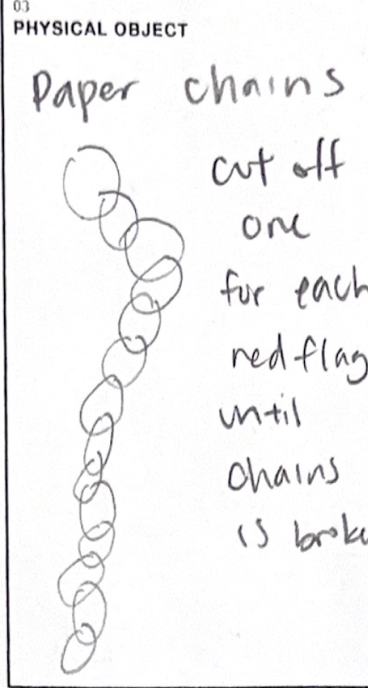
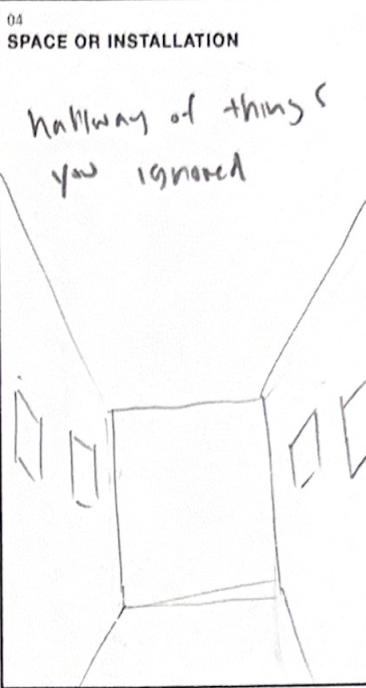
The first making move, before the loop tightened. The concept captures the moment of two people still deeply in love but emotionally disconnected because of miscommunication.
Convergence
Making images confirmed the project needs a physical form — something you can hold when you're alone and hurting, something that bridges the gap between how you feel and how you communicate.
Two states — before and after the Owlets enter the scene. The gap between them is where the design lives.
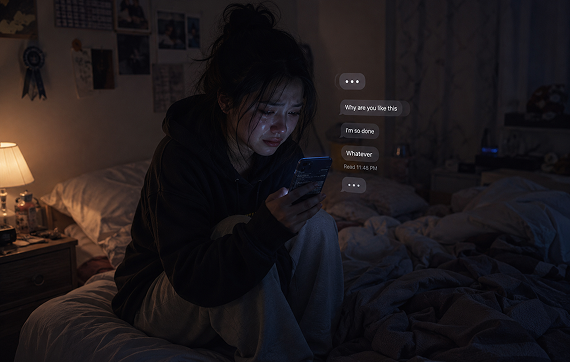
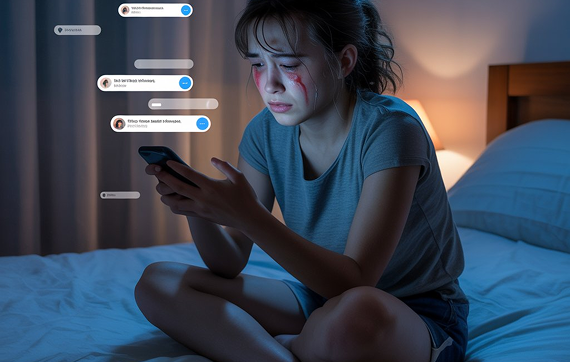
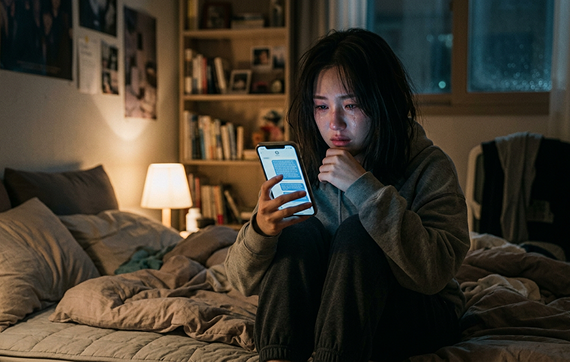
Before
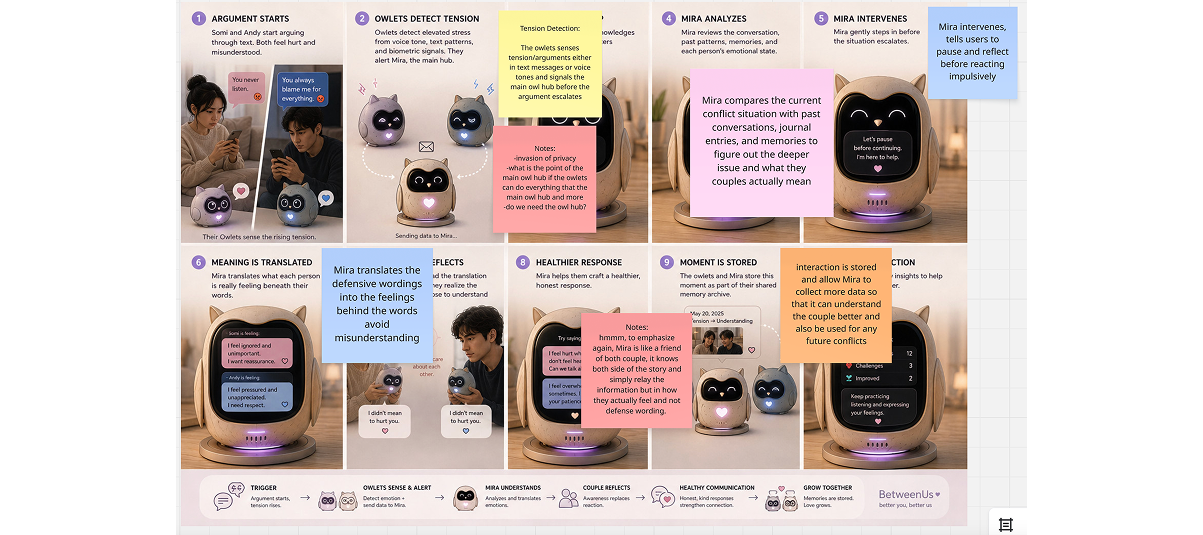
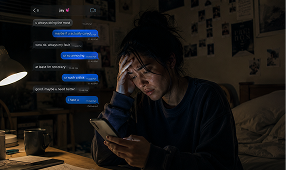
Somi is in an argument through text. The exchange escalates into harsh words that neither person truly means, leaving both feeling misunderstood with no way to resolve it.

After
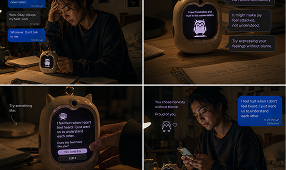
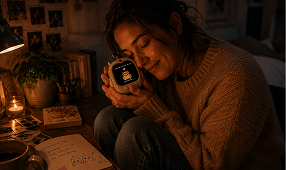
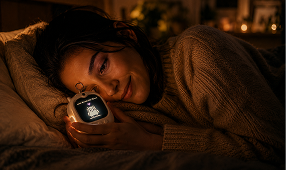
Somi reaches out to her Owlet and rants about how she truly feels. The Owlet translates the emotions beneath her reaction — she communicates with reflection instead of defensiveness.
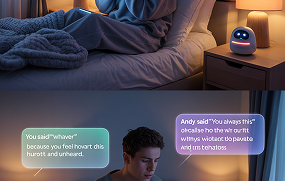
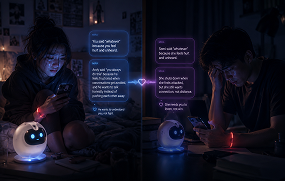
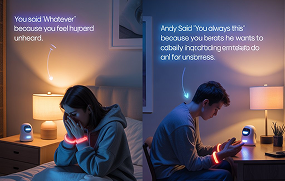
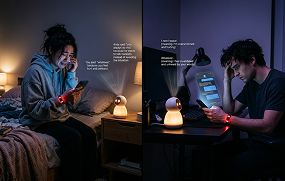
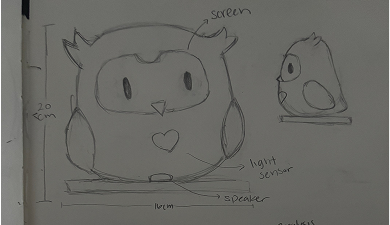
Three versions — finding the frame that holds warmth, presence, and the quiet tension underneath.
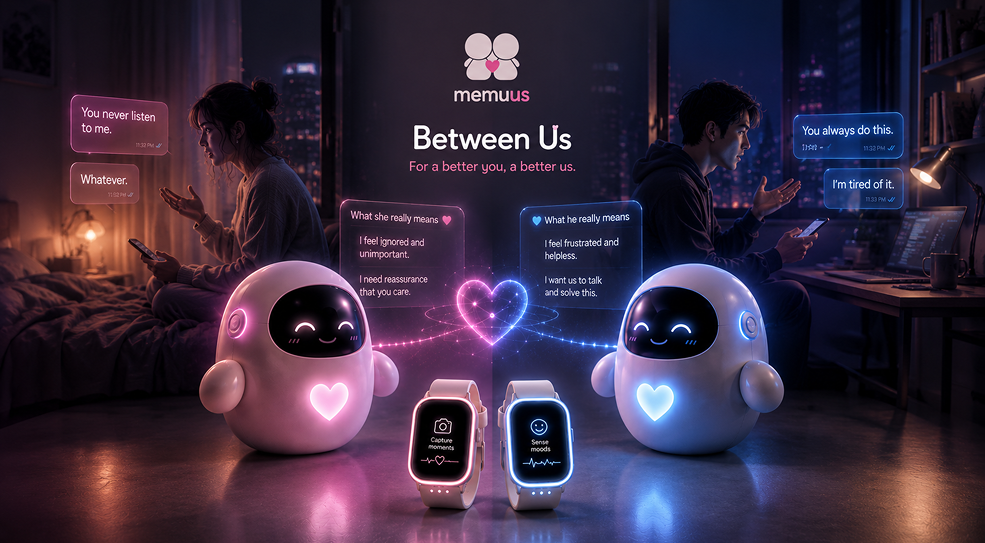
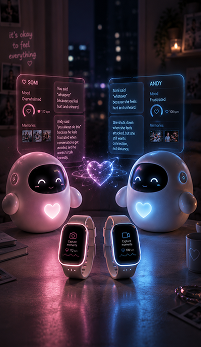
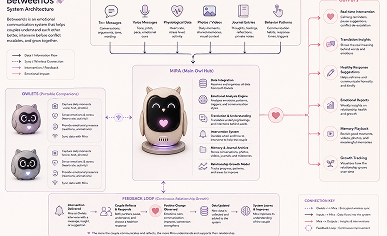
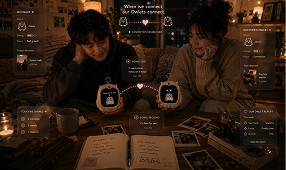
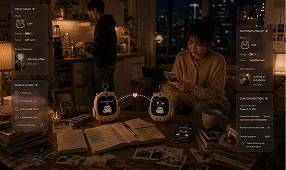
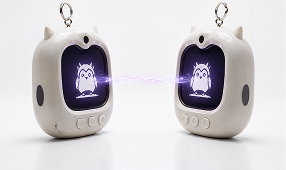
BetweenUs is not a therapist. It is a middleman that helps translate what you truly feel beneath emotional reactions. The schematic shows how the devices connect in detail.
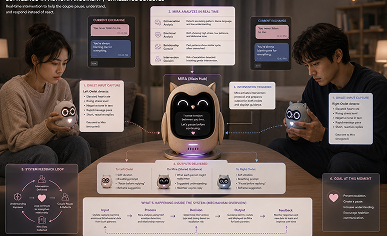
BetweenUs uses a paired AI companion robot and emotional sensing wearable to detect and intervene in conflicts before they escalate. The wearable detects heightened emotion and signals the robot, which analyzes tones and emotional patterns to translate defensive or hurtful messages into the vulnerable emotions underneath them — helping couples pause, reflect, and communicate more honestly. BetweenUs also acts as a shared memory archive. The companion robot analyzes moments and sends a weekly report of what went well and what could be improved.
Because: Paired Owlets listen to both sides of a conflict and translate hidden emotions into understanding, helping couples reconnect before distance turns into disconnection.
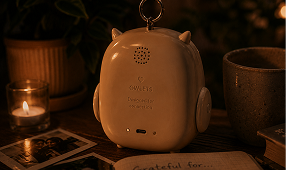
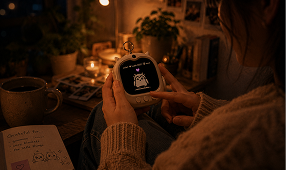
The visual world every image had to belong to. Not a style reference — a set of rules every generation was measured against.
Strongest image from moodboard

Strongest image from moodboard
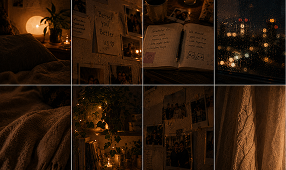
This world is warm, private, and emotionally reflective. The light is soft and lived-in, capturing quiet moments between couples rather than dramatic conflict. Every interaction feels personal, honest, and slightly imperfect, like a real relationship unfolding over time. Bubo and the Owlets are not therapists or decision-makers, but calm companions that help couples slow down, reflect, and better understand each other through memories, communication, and shared growth. Tension is always present beneath the surface, but it is met with care, vulnerability, and emotional awareness instead of escalation. Nothing feels clinical or futuristic in a cold way — the technology exists gently within everyday life, helping couples nurture their connection through small moments, healthy habits, and emotional reflection.
Visual Register — This or That:
What I had to let go of
I completely changed the whole vibe of the photos for the final video — it was simply too dark and didn't cover the tension I wanted. What worked: ChatGPT got the warmth right. What didn't: not much variation. For prompts that needed variation, it literally just changed positions.
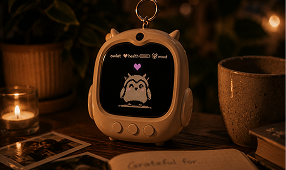
12 shots across the world, the intervention, the story, and the unexpected.

Storytelling
An intimate, letter-style narrative told from Somi's perspective — personal, emotional, and grounded in a real relationship rather than a product demonstration.
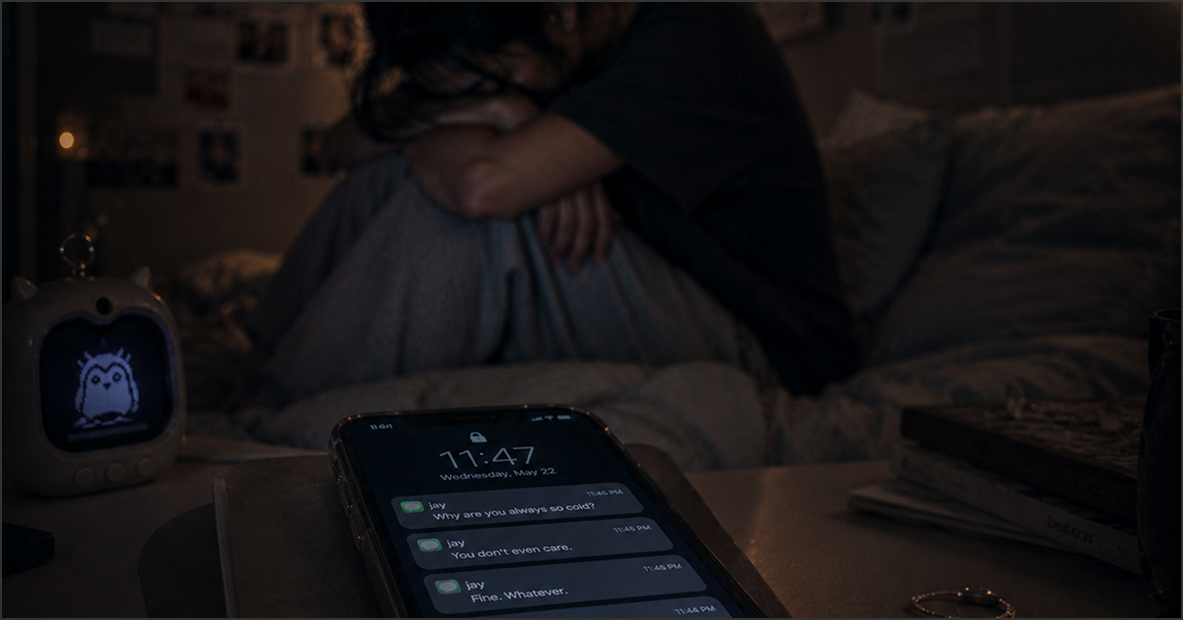
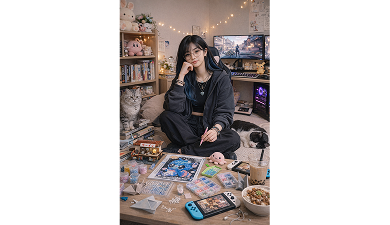
Somi is someone who deeply cares about her relationship but struggles to communicate her emotions honestly and always defaults to defensiveness or silence.
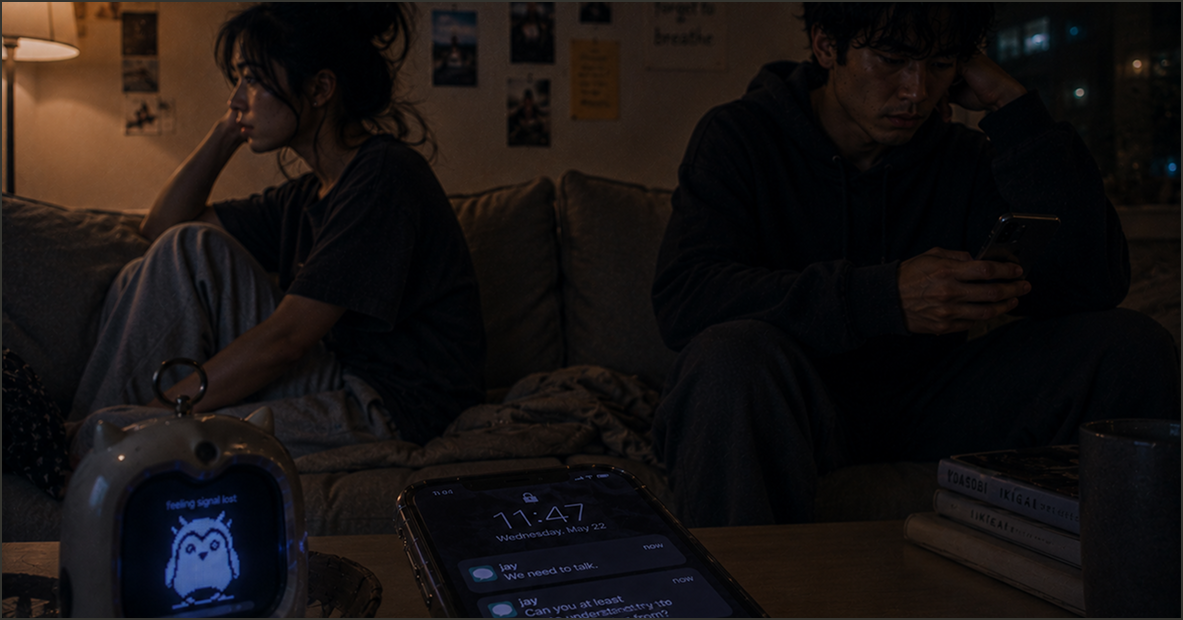
An argument through text that escalates into harsh words that neither person truly means, leaving them both feeling misunderstood but not knowing how to resolve it.
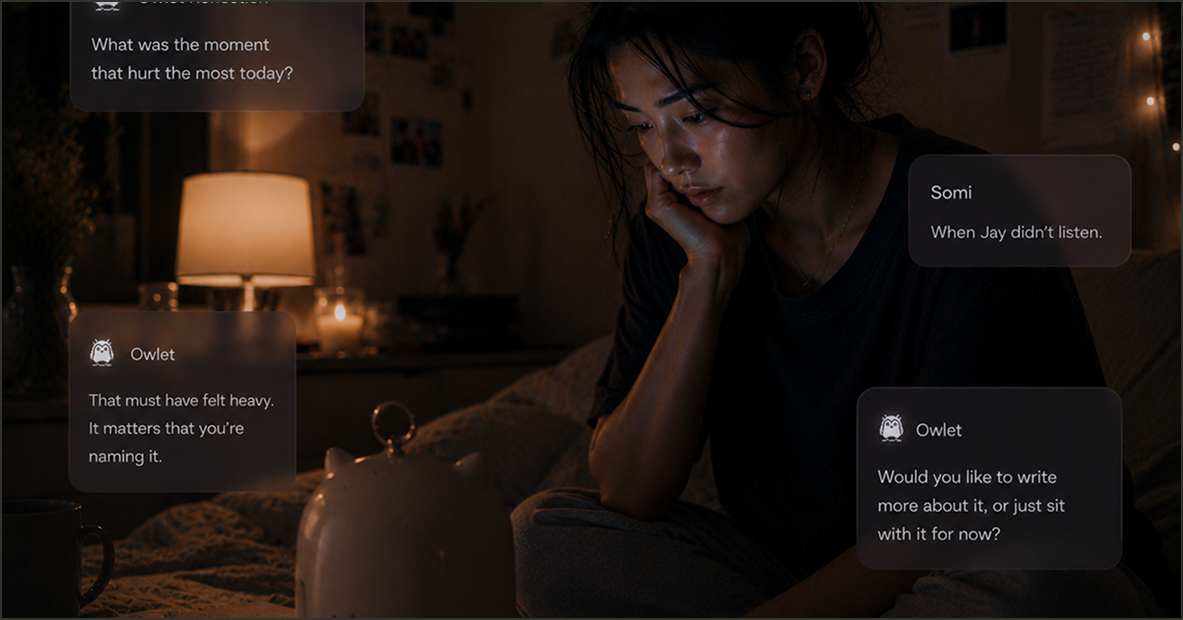
Somi reaches out to her Owlet and rants about how she truly feels. The Owlet translates the emotions beneath her reaction, helping her communicate with reflection instead of defensiveness.
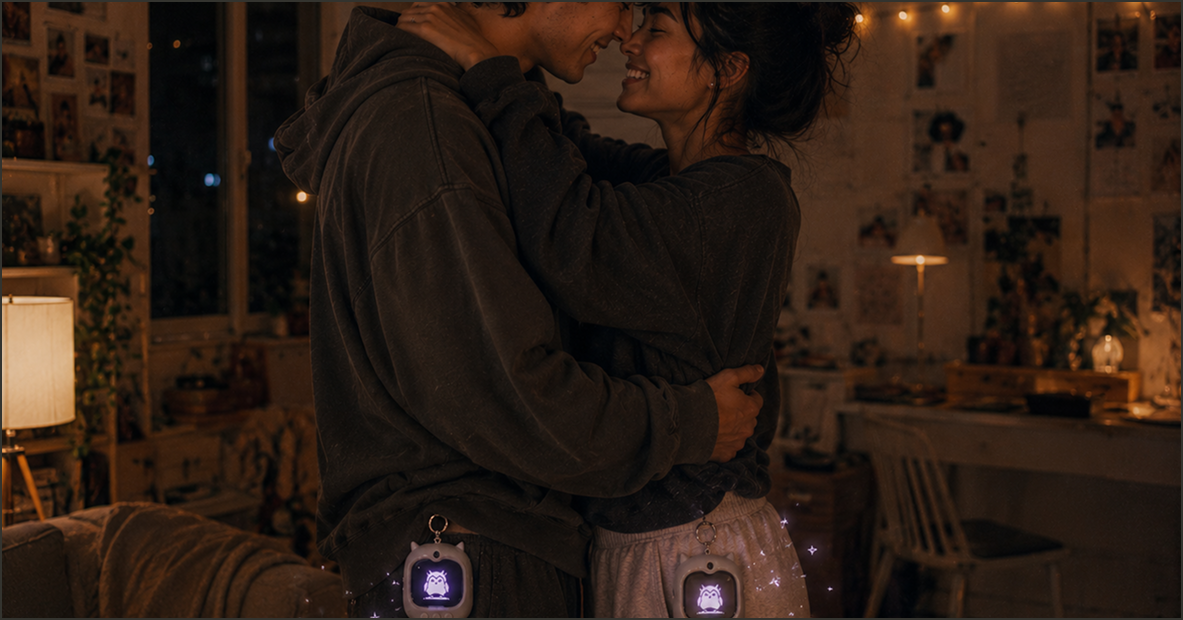
The relationship is not magically fixed — there is still tension. But both people leave the interaction feeling more understood and have learned a healthier way of communicating.
I wanted viewers to leave feeling hopeful that healthy relationships are not built on perfect communication, but on the willingness to understand, grow, and keep choosing each other.
Evaluate
BetweenUs is not a couples therapist. It is simply a middleman that helps translate what you truly feel beneath emotional reactions and miscommunication. The wearable senses heightened emotion. The Owlet hears the rant. The system translates. What remains is a couple who leave the interaction feeling more understood.
Because paired Owlets listen to both sides of a conflict and translate hidden emotions into understanding, helping couples reconnect before distance turns into disconnection.
Before
I mainly used AI to generate things quickly — ideas, images, text. I didn't think of it as something you configure or have a relationship with. I used it to get answers, not to find gaps.
Now
I now know that how you set up the relationship with AI changes everything about what comes back. The levers weren't constraints — they were the whole point. The AI was only as useful as my willingness to answer its questions honestly.
Class Gallery
A breadcrumb trail across the process. Not polished. Real. Every image here is a decision point.
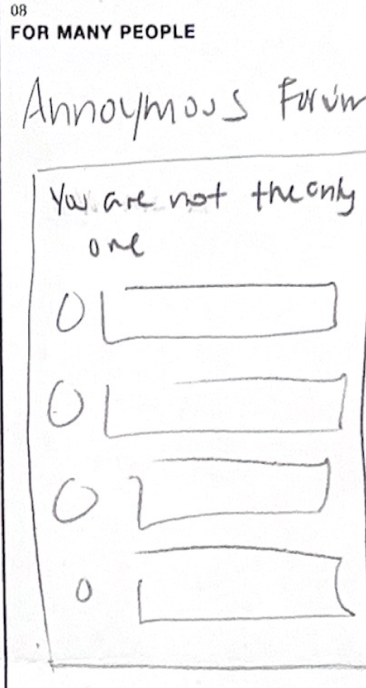
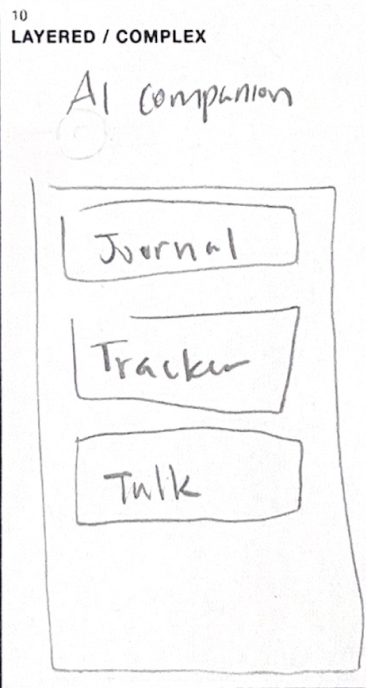
Early concept map — Somi and the moment before she sends.
First Owlet design explorations — finding the physical form.
Wearable and robot system connection diagram.
Emotion translation interface — from defensive to vulnerable.
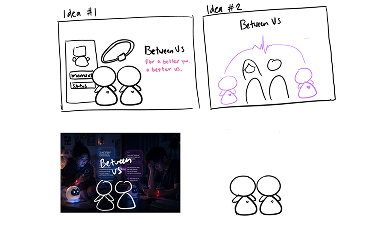
Memory archive — shared moments, weekly reflection report.
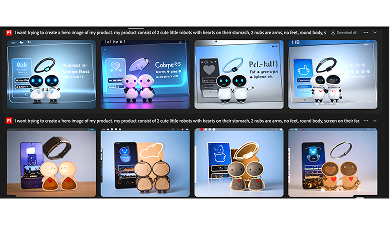
Final hero image — two Owlets, one quiet moment.
Visual register test — warmth and presence.
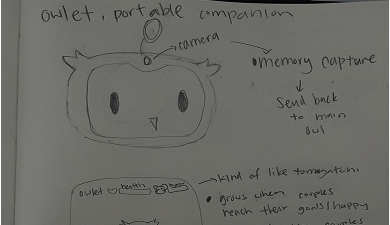
Storyboard development — Somi's arc.
The tension that stayed — still unresolved, but held differently.