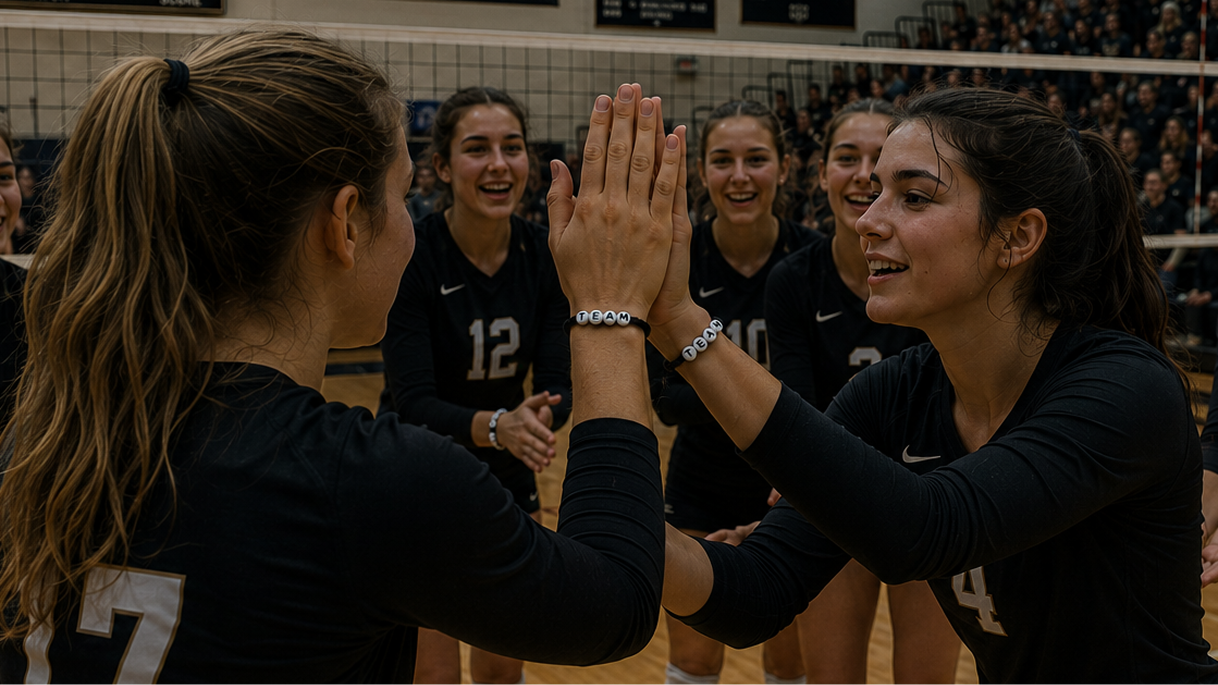
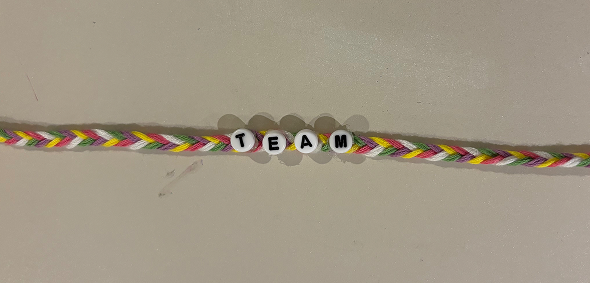
A team bracelet and ritual that helps volleyball players respond to a teammate's mistake with support, so the team can move on together instead of leaving that player feeling exposed. The bracelet is small, but it gives the team a shared way to come back together after mistakes.
Gather
Before any making, the partnership was defined. Six levers shaped how AI would operate in this project — not as a generator, but as a configured collaborator who stayed in the student's process, not above it.
A design thinking partner — not an instructor, not a generator, not a critic. Skeptical, curious, calm, and context-aware. Speaking from within the student's process.
Help translate a research frame into visual and formal directions — while keeping the student in the driver's seat. Make thinking clearer, exploration wider, and decisions more deliberate.
High on process — name when converging too early or skipping the Why for the How. Low on aesthetic judgment. On uncertainty: name it honestly rather than with false confidence.
Ask before you offer. One question at a time — not a list. Do not validate before interrogating. Short responses for nudges. Longer only when orientation is needed.
Never be the first move. Never be the last move. Never generate finished concepts unless the student has made their own first attempt. Never make the creative decision for the student.
Return to the student's frame — the tension they identified and the specific person from their research — whenever the work drifts. If a direction feels disconnected from the original question, name that specifically.
Your prompt
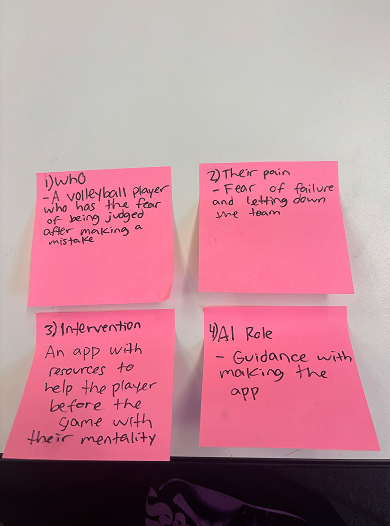
"I liked the idea of an app used before the game but my professor said a team based support system is a better idea, something that changes how teammates respond. I just don't know what I can design that is meant for in the moment after a mistake, not just how one player prepares."
Claude
"Your professor isn't saying drop the player-facing idea entirely — they're saying the more interesting design problem is the team response in the moment. So here's the question that might unlock it: in the few seconds after a mistake, what does a good teammate response actually look like? Not what you wish it looked like — what have you actually seen or felt that helped?"
What it changed
I was surprised that Claude actually asked me questions back that really made me think deeper. It doesn't just give answers. This pushed me to move from player prep toward team response design.
What was the question underneath your question? What made this worth a full quarter?
The internal fear of letting the team down — when one visible mistake can make a player feel like they failed the whole team, even after the point is over.
Volleyball, where every mistake is visible and affects the next touch, the next point, and the whole team. Pressure isn't just about the score — it's about being seen and being relied on.
Used Claude mostly to name and sharpen what was already known from experience, not to find new information. Material came first, Claude responded, and decisions followed. Specifically: synthesizing instincts into clearer language, pressure-testing whether the framing was distinct from generic mental toughness advice, and devil's advocating the bracelet concept once it emerged.
Explore
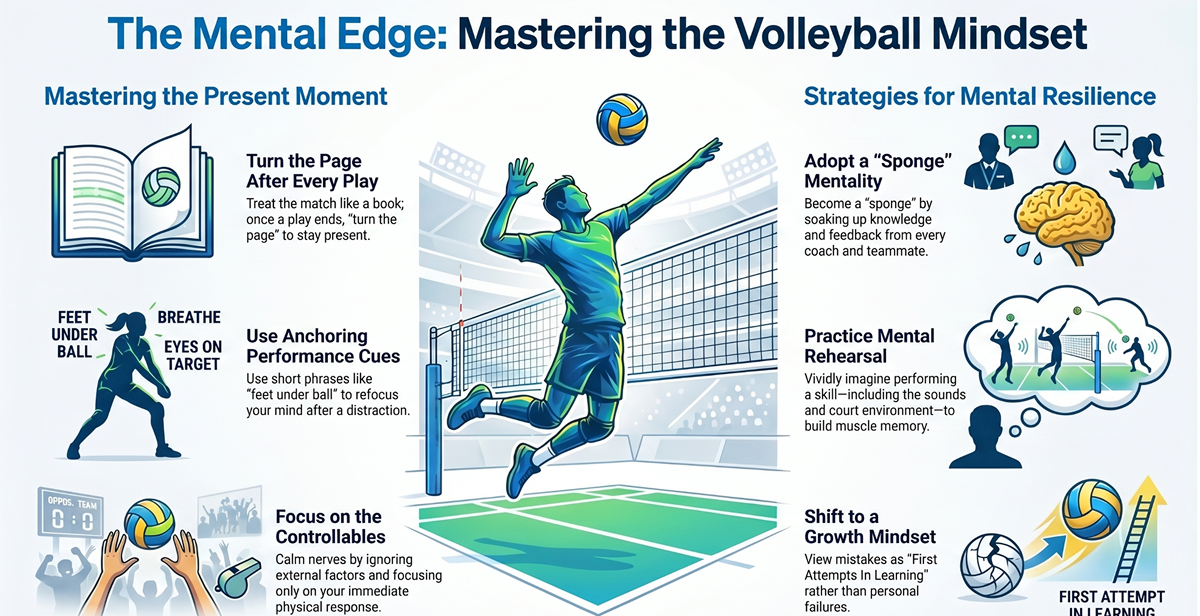
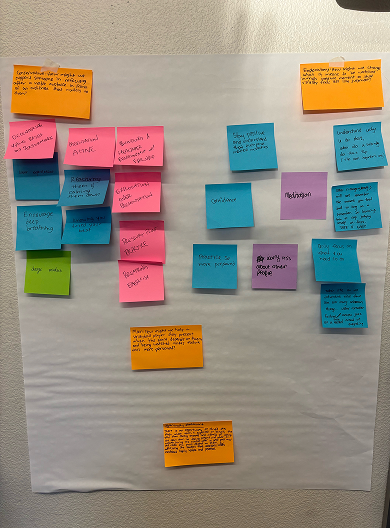
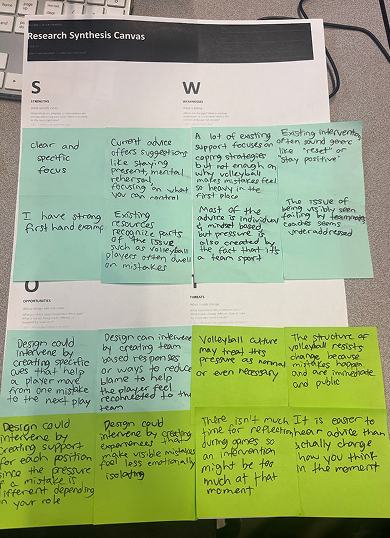
Three sources shaped the direction. The pattern they revealed: most research tells the individual player to refocus — but the real problem is what happens between teammates.
YouTube
The Volleyball Player's Guide to Crushing Self-Doubt
Power of positivity, mental rehearsal, uplift your teammates, remember what's in your control. Gives skills to the individual — but doesn't address the team's response.
USA Volleyball
Building Mental Skills
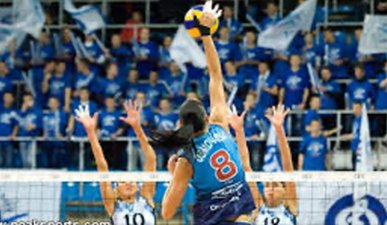
"A volleyball match is like a book, and each play is a page." Focus techniques, breathing, mindfulness — all framed as the individual's responsibility after a mistake.
Peak Sports
Volleyball Players Who Dwell on Mistakes
Volleyball is a one-point-at-a-time game. Dwelling on errors pulls you out of the present. Main solution: simple performance cues tied to your role to refocus.
A pattern emerged: most advice tells the individual player to refocus, breathe, or move on. But this project is more interested in what happens between teammates right after the mistake, because the player is not failing alone. My question shifted toward how teammates can make a visible mistake feel less isolating right after it happens.
What it revealed
The gap is relational, not individual. Most existing tools address the player's internal state — not the team's collective response in the moment. That's the design opportunity.
When a volleyball player misses a serve at an important point in the game, they feel like one mistake has become bigger than the whole game.
Narrow
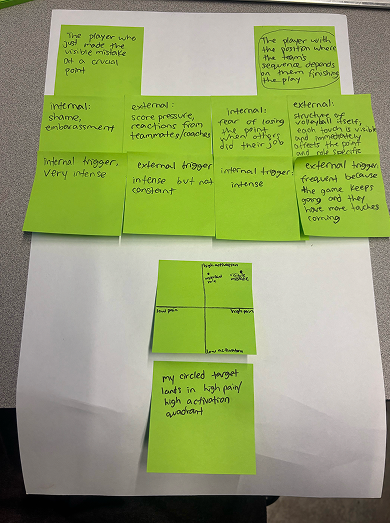
There is an opportunity to shift the player whose touch is expected to finish the play from feeling exposed and afraid of letting the team down to feeling present and able to recover — during the moment after a good pass and set make the point depend on them — by addressing the tension that volleyball makes mistakes highly visible and personal.
How might we help a volleyball player stay present when the point depends on them and being watched makes failure feel more personal?
How might we support a volleyball player in refocusing after a visible mistake in front of teammates, coaches, and others who matter to them?
How might we change what it feels like for a volleyball player to be the one everyone sees mess up the play?
A volleyball player who has just made a visible mistake during an important point and immediately feels like they let the whole team down. She misses a serve in a close game — or makes the final mistake after teammates already did their roles correctly. As she walks back onto the court, she feels exposed because everyone saw the mistake, and she starts worrying that her teammates are frustrated.
I am committing to explore why fear of failure in volleyball can make one mistake feel bigger than it actually is. I want to understand the moment after a player misses a serve, makes a bad set, or loses the point and suddenly feels like they failed the whole team. This matters to me because I play volleyball and I know how one mistake can stay in your head even after the point is over. I myself struggle with moving on after making a mistake, so I want to learn more about this. Pressure in volleyball is not just about the score. It is also about being seen, being relied on, and having to keep playing while still carrying the weight of the mistake.
Room Feedback
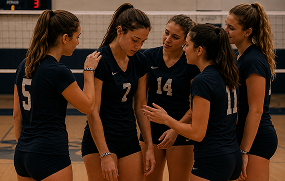
A couple people said this is the case for sports in general, not just volleyball. Many people liked the idea of an app or before-game intervention. Someone had the idea of a smart watch but that would be too bulky and interfere with the way you play. The team response direction held.
Implement
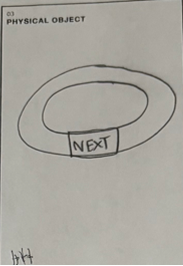
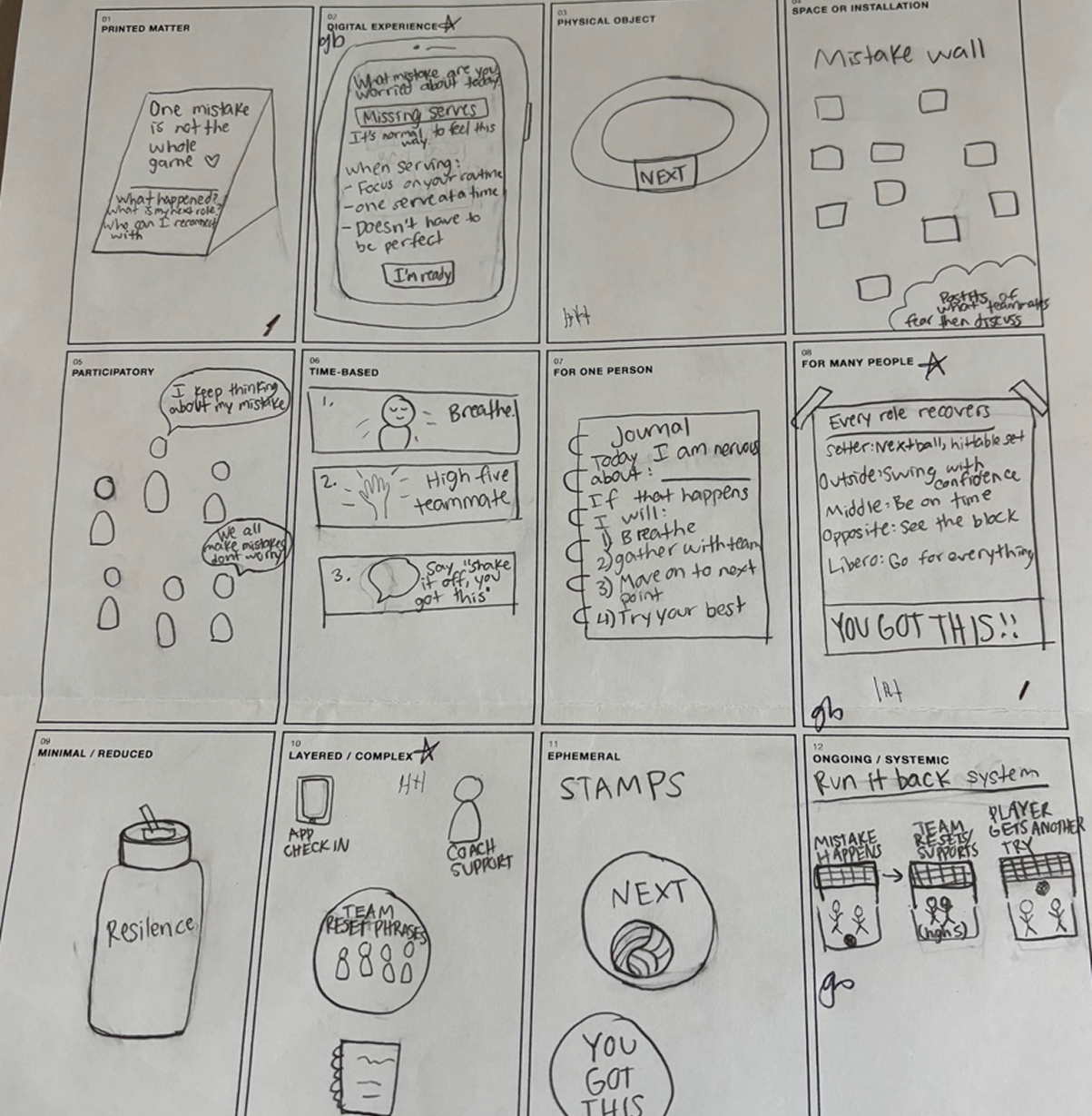
The first making move, before the loop tightened. Generate to understand, not to finish.
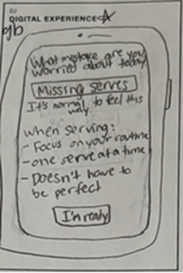
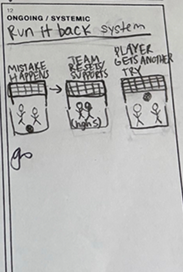
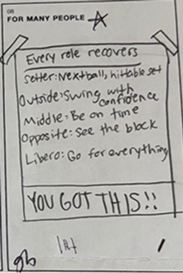
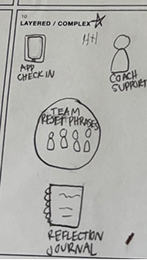
What the making showed
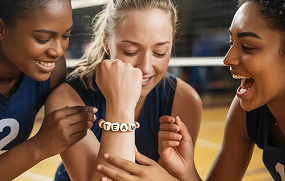
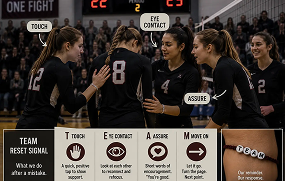
This image captures how the bracelet turns support into something visible and shared, showing that after a mistake the player is not left alone with the pressure of letting the team down.
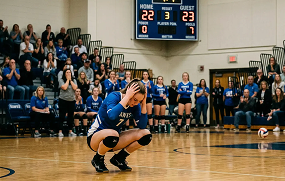
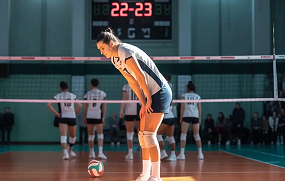
Before and after the ritual. What the moment looks like when a player carries the mistake alone — and what changes when the team responds together.
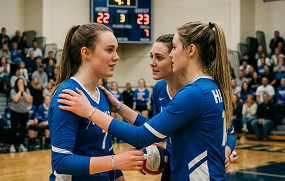
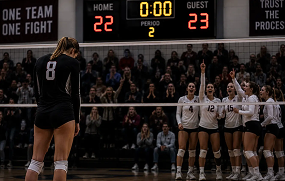
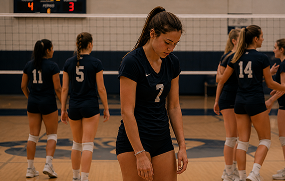
Before
Sara before the intervention: the mistake visible on her face, the team disconnected, no one moving toward her.
After
Sara after the TEAM ritual: a hand on her shoulder, eye contact, the team already moving forward together.
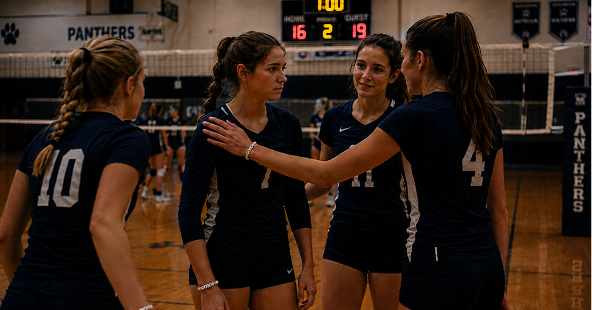
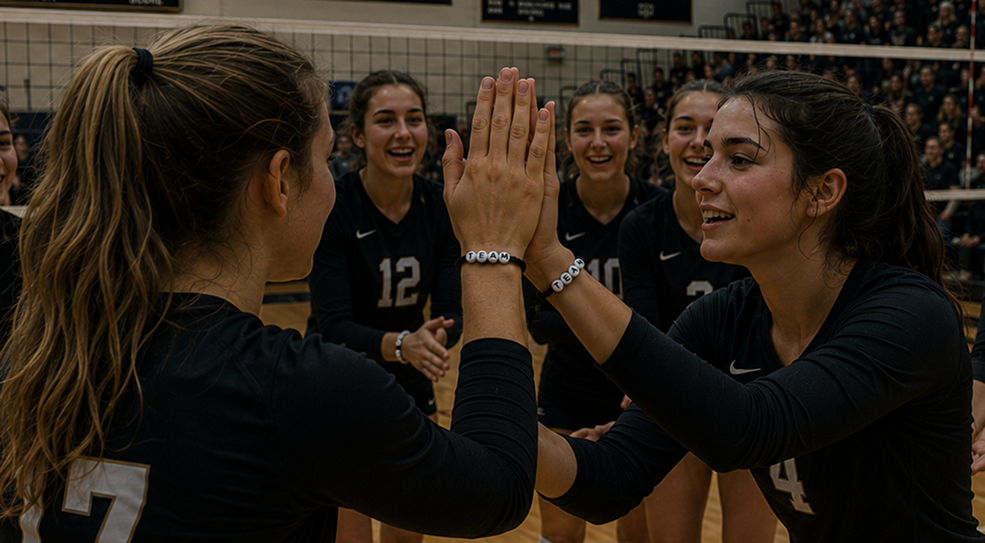
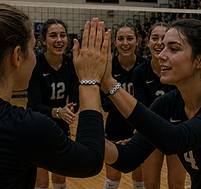
Three formats. Each one tested how the bracelet reads as an object — whether it feels like a team artifact or just gear.
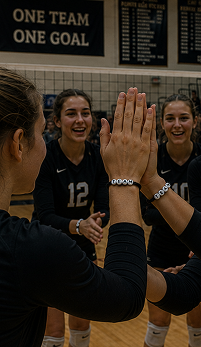
What I Learned
The landscape version reads as a team artifact. Portrait centers the hand — more intimate, less team-wide. Square holds the bracelet without context. Each format tells a slightly different story about what the intervention is for.
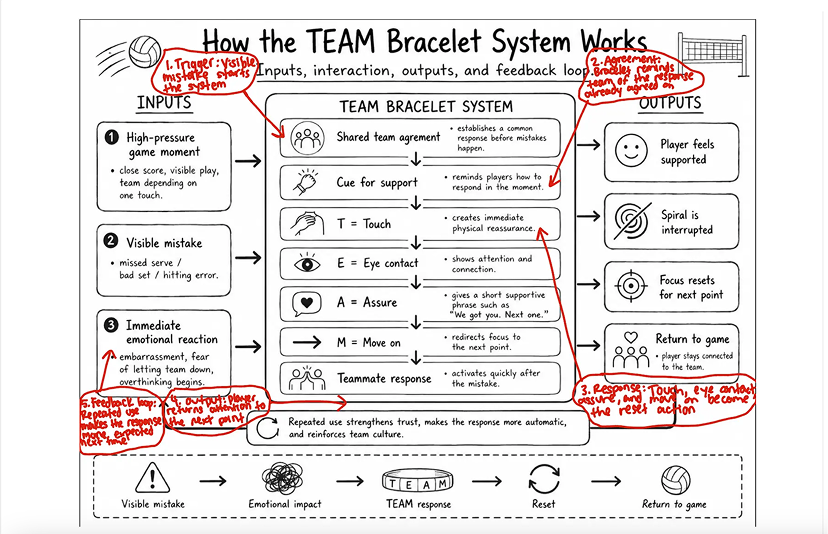
Touch + Eye contact + Assurance + Moving on. The mechanism is the hard part — making four behaviors feel like one gesture.
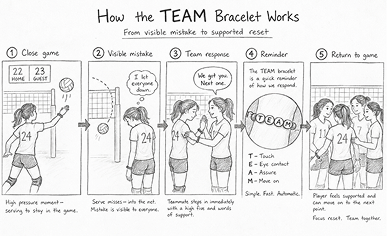
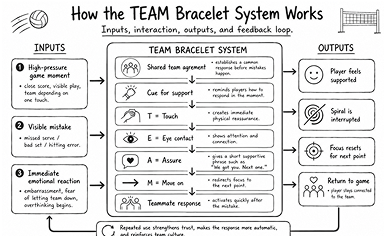
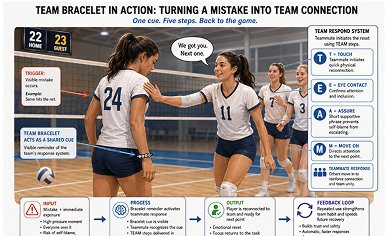
The bracelet does not do anything on its own. It is an anchor for a practiced team behavior. The ritual needs to be learned, rehearsed, and fast enough to complete before the next serve. The design question shifted from what it looks like to whether it can actually happen in four seconds on a volleyball court.
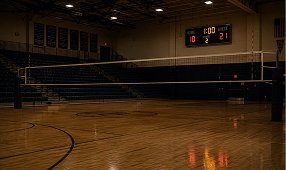
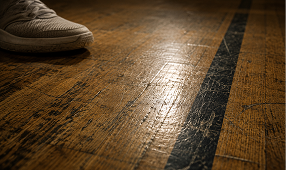
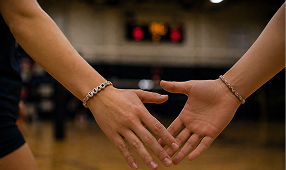
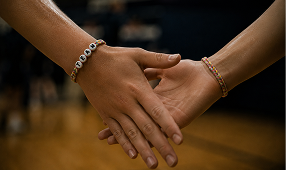
The visual world every image must belong to. Not a style reference — a set of rules every generation is measured against.
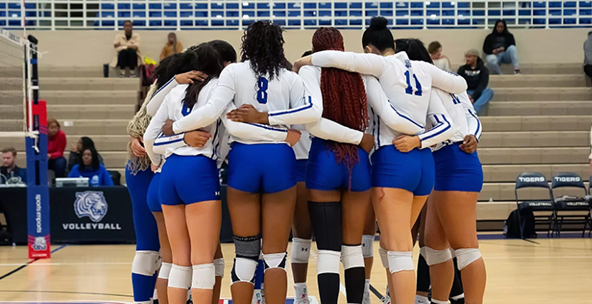
Strongest image from moodboard
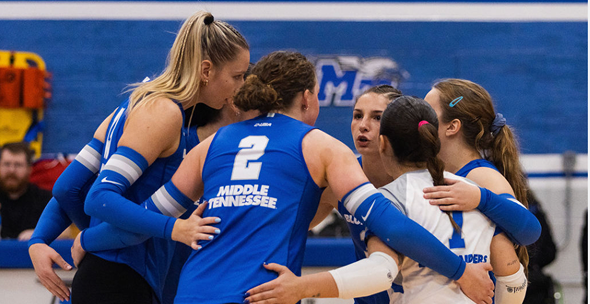
Strongest image from moodboard
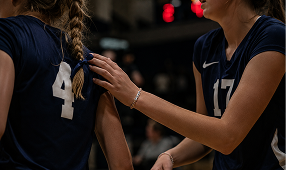
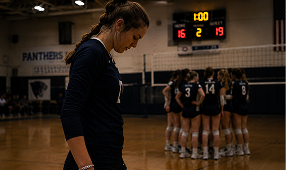
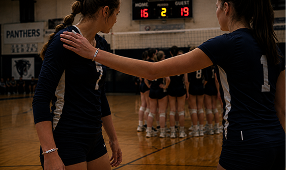
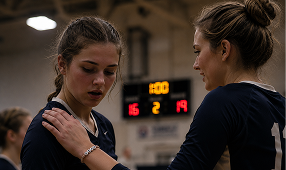
The world this project lives in is a real volleyball gym — not staged, not sanitized. The light is harsh and directional. The players are in motion or just coming out of it. The bracelet is visible but not the focus. The emotional register is immediate: the moment right after the whistle when everyone on the court knows what just happened. Never show celebration. Never show isolation. Show the team in transition.
12 shots across four groups. What worked: images that kept the bracelet contextual and the gesture small. What didn't: anything that looked too posed or detached from an actual game moment.
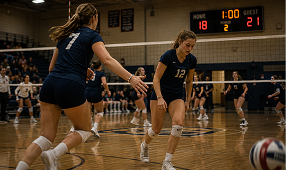
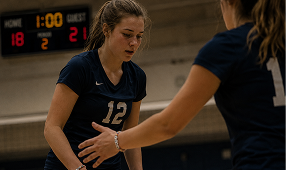
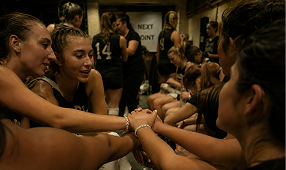
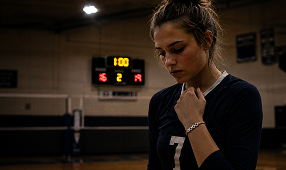
What changed
The images that worked were the ones where the support was already happening — not staged for it. That shaped the direction for the final storyboard: the reset needs to feel like it occurred, not like it was performed.
Storytelling
Four beats. Who Sara is, the moment the mistake lands, the bracelet entering the scene, and what remains after the team responds.
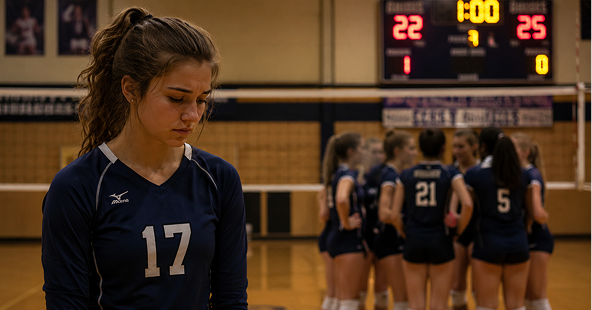
Sara, a senior high school volleyball player who really cares about being someone her team can count on. A high school volleyball player enters a close game already carrying the pressure of knowing that one mistake could affect the whole team.
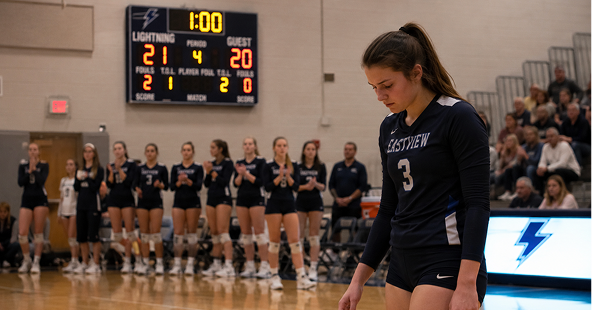
She misses a serve at an important point, and because everyone saw it, the mistake starts to feel like proof that she let the team down. Before anyone says anything, it can already feel personal.
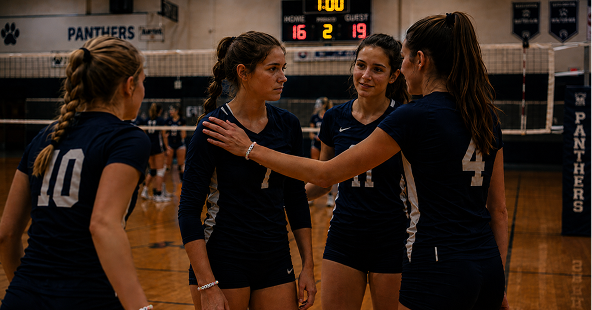
As she returns to the court, the TEAM bracelet reminds the group to use their reset response: Touch, Eye contact, Assurance, and Moving on. Something small like a high five or a hand on the shoulder. Eye contact that makes support feel real.
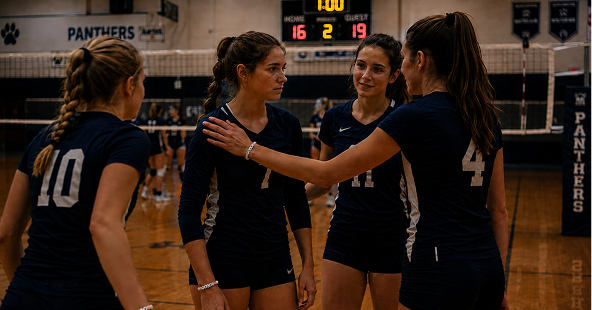
The mistake is not erased, but it no longer becomes her whole identity because the team has shown that support can happen immediately after failure. Moving on means the team goes on to the next point together.
A realistic and emotional register so the video feels like something that could actually happen during a volleyball game. The viewer should feel how stressful one mistake can be — but also see how a teammate's quick support can help the player move on.
Style note
I chose a realistic and emotional style so the video feels like something that could actually happen during a volleyball game. I wanted the viewer to feel how stressful one mistake can be, but also see how a teammate's quick support can help the player move on.
Evaluate
Building with AI as a thinking partner helped me test different ways of explaining my project without letting it make the main decisions for me. My bracelet idea stayed the same, but AI helped me notice when my wording was too broad or when the images were making the project look like just a reminder instead of a team response. I had to keep checking the outputs against my real goal — showing why one visible volleyball mistake feels so heavy when teammates are depending on you.
I now know how to use AI to compare different versions of an idea and choose the one that best matches the emotional problem I am trying to show.
Week 1: Before
The first time I encountered AI was my freshman year of college in my UWP 7 class (winter 2023). I thought that ChatGPT was just a writing tool and I thought about how so many students are probably going to start using this for their essays. I was a bit skeptical about AI and not convinced that this would be an accurate way of getting information.
Week 10: Now
Now I know that my project is not really about avoiding mistakes, but about how a team's response can change what a mistake feels like in the next few seconds.
Class Gallery
Not polished — real. Every image here is a decision point or an experiment that shaped what was made.
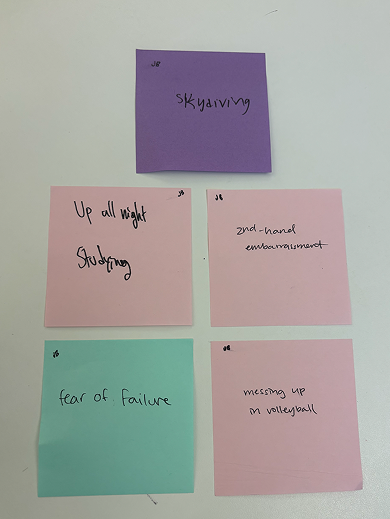
First weeks of the quarter — where the volleyball angle and the mistake moment first became the real question.
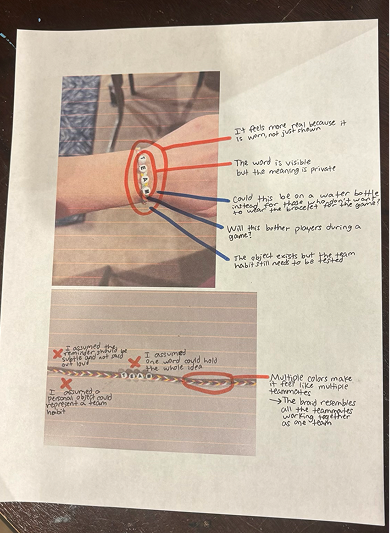
Physical prototype of the TEAM bracelet — the object that gave the ritual something to anchor to.
Material exploration — figuring out what the bracelet looks like when it is made by the team rather than for the team.
Late-quarter refinement — narrowing what stays and what goes before the final cut.
Another pass at the framing — the reset ritual needed to feel like something a real team would actually do.
12:59 AM, May 7 — the kind of hour when the project stops being an assignment and starts being something you actually care about.