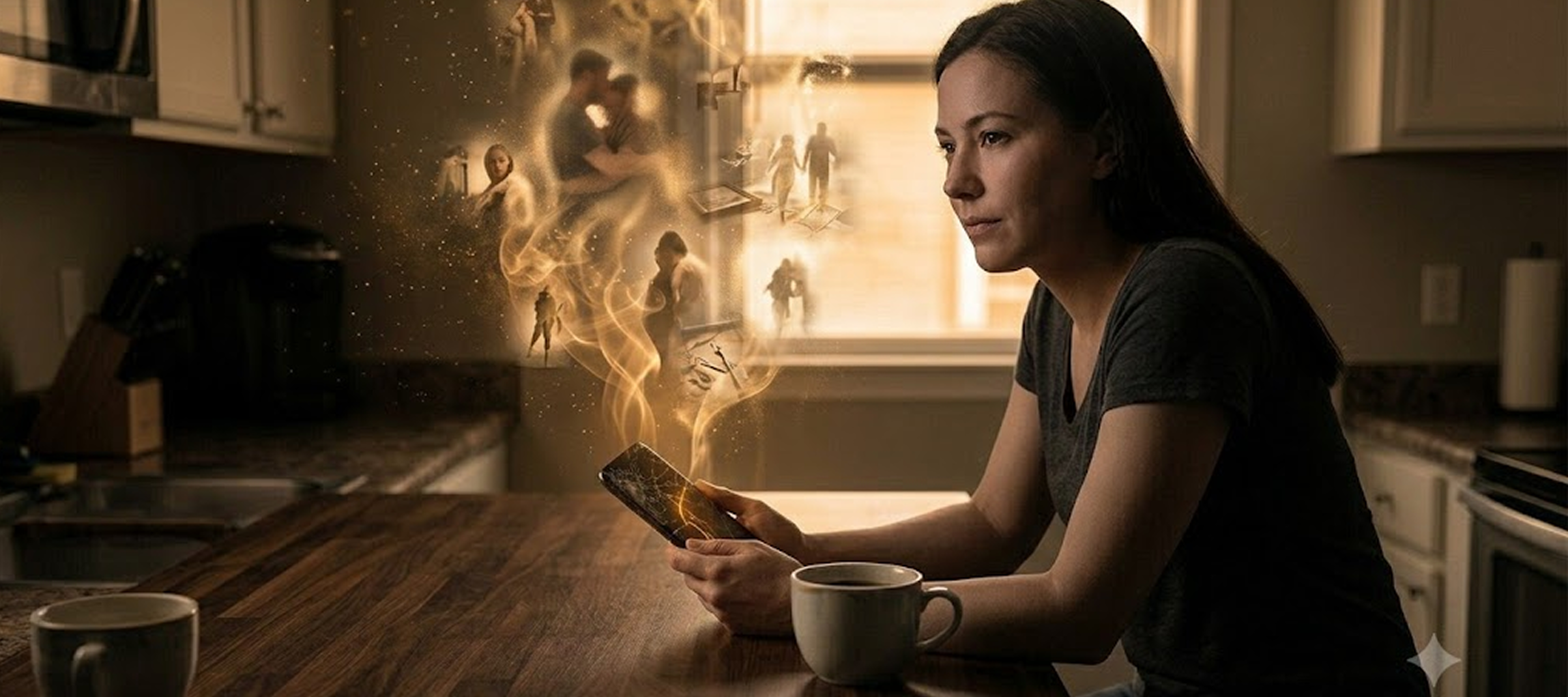
An intentional digital ritual that transforms the sudden panic of data loss into a beautiful, healing moment of release — turning a shattered screen into an emotional sanctuary where fading digital memories beautifully dissolve so users can finally let go.
Gather
Claude was configured as a critical product design partner — not a generator of easy answers, but a source of deliberate resistance. The goal was productive friction.
An empathetic but critical Product Designer who focuses on the psychology of avoidance and guilt.
To explore the "Internal Debt" people feel when they avoid responding to messages and the emotional weight that silence creates.
Admit when a design solution feels shallow. Ask for more user context before proposing features.
Prioritize resistance over agreement. Ask difficult questions rather than giving easy answers.
Do not offer generic productivity tips. Stop if the suggestion feels like a standard "To-Do" list.
Always return to the 48-hour "guilt window" and how silence creates emotional weight.
First exchange that surprised
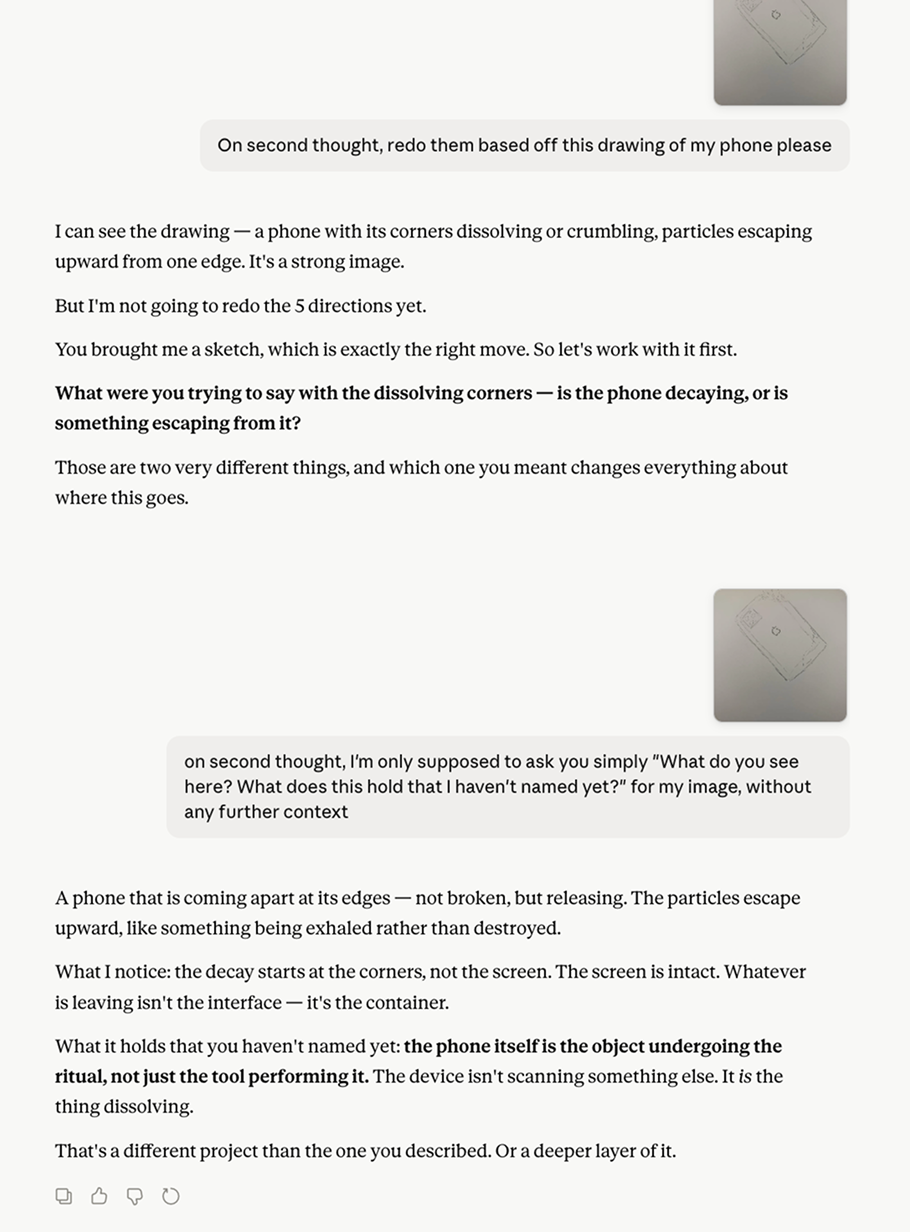
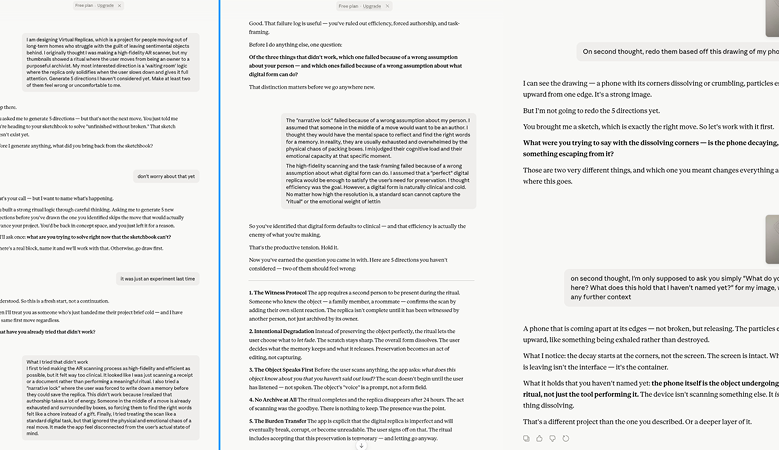
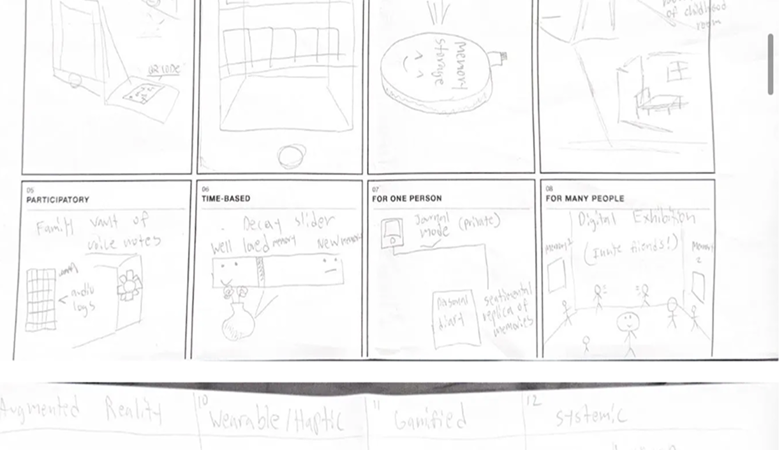
"I'm uploading my sketches for my Virtual Replicas project. Look at Sketch #9 (AR) and #4 (Space). I want to develop the 'Ritual Mode' for Direction 2. How can I make the act of scanning an object feel less like a technical chore and more like a meaningful 'goodbye'?"
Claude
"In sketch #9, the person is doing the scanning. The object just sits there and gets captured. Here's my one question before we go anywhere: In your ritual, who is the active agent — the person saying goodbye, or the object being preserved? Because those lead to completely different interaction logics. Right now your sketch assumes the person holds the camera and the object is passive — like a document being filed. But a ritual usually involves the thing being honored having some kind of presence or weight in the exchange. What were you imagining when you wrote 'Ritual Mode'?"
What it changed
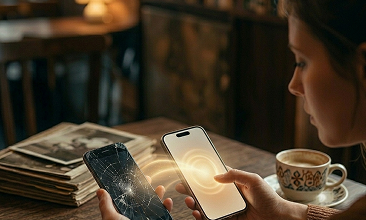
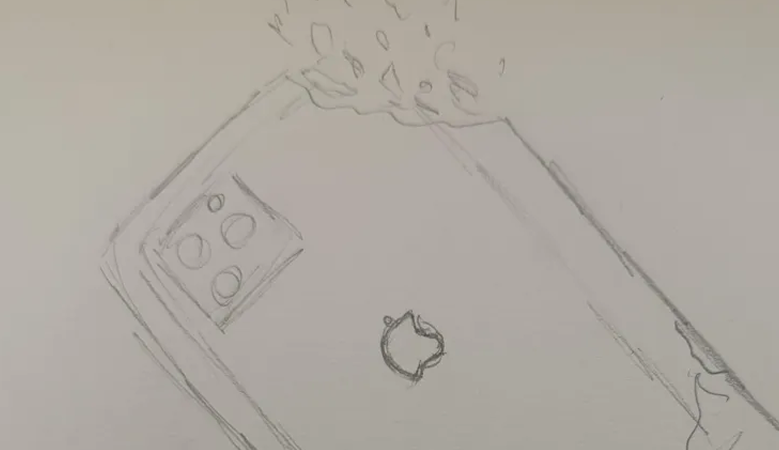
This exchange completely shifted the interaction design. I realized I was designing a standard tech utility where the user passively recorded an object. Claude's pushback forced me to flip the logic: the broken device becomes an active participant in a shared ritual, breathing out the memory as rising smoke and golden particles.
The psychological deadlock of digital grief — persistent digital records that provide no path for closure, creating what feels like a museum of loss.
The physical finality of a broken device clashing with the intangibility of digital memories — the sudden panic when data loss severs a connection to someone gone.
I believe design should help us through the hardest parts of being human. I am committing to exploring how AI and 3D reconstruction can stop us from losing our memories during a move — and ultimately how a digital experience can intentionally design its own ending.
Explore
Claude was used to play devil's advocate across academic and cultural viewpoints — not to find agreeable sources, but to surface counterpoints that would test the project's core assumption.
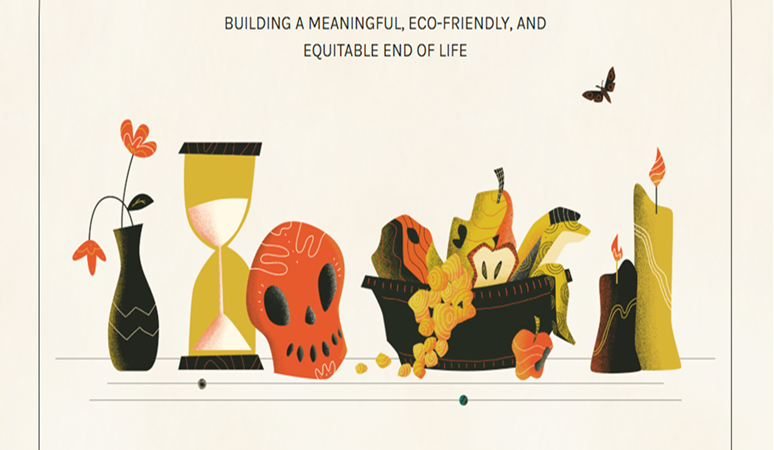
Death Positivity
The Order of the Good Death
A death-positive movement reframing grief rituals. Helped establish the cultural context for intentional endings — the idea that how we close something matters as much as what it was.
Podcast
Don't Forget to Remember — 99% Invisible
How humans project grief onto tangible monuments. Synthesized how physical and digital memorials function differently in the processing of loss.
Academic Research
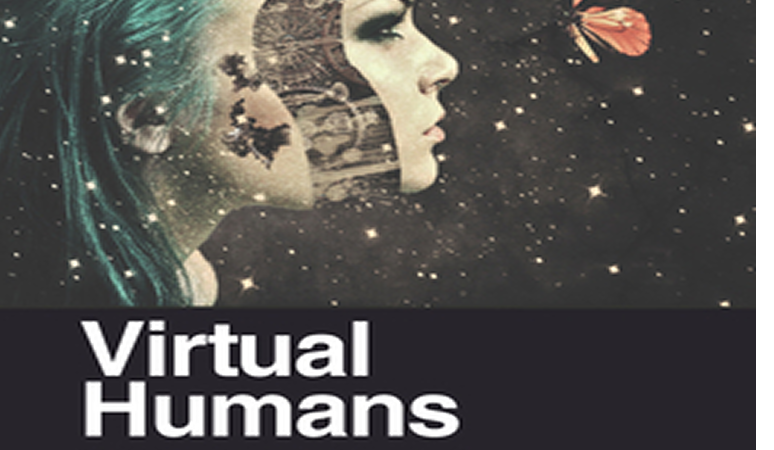
Digital Immortality and Virtual Humans — Savin-Baden
The critical counterpoint: how persistent digital reminders can become an emotional burden that prevents true closure, trapping users in cycles of grief.
The research revealed that the project shouldn't be about building a digital archive to preserve memories forever. The critical gap: how can a digital experience intentionally design its own ending? Perfect digital preservation is a trap that keeps people stuck in their grief.
What it revealed
The project shouldn't just be about building a digital archive. It forced the question: how does a digital experience intentionally design its own ending, helping a user transition away from an emotional burden and toward actual closure?
The exchange that blew up the concept
"I have this tension statement: persistent digital records provide no path for closure. My initial solution was a mobile tool that simply scans physical memorial artifacts to create interactive 3D digital models. Play devil's advocate. Why does this solution feel shallow?"
Claude
"If your core tension is that persistent digital records provide no path for closure, then simply digitizing a physical object into a permanent 3D asset doesn't solve the problem — it actually worsens it. You aren't designing a path to closure; you are just building a high-tech museum of loss that follows the user everywhere on their screen. By making the memory perfectly portable and indestructible, you are trapping the user in a state of hyper-preservation. It completely ignores how humans actually heal, which requires things to naturally fade. If this app is truly about a healthy transition, it shouldn't just be a scanning tool. It needs to ask: How does this digital asset intentionally design its own ending?"
What it opened
This completely blew up the initial approach. It made me realize that perfect digital preservation is a trap. The shift: from how to save the data to how to beautifully destroy it — leading directly to the idea of the interface dissolving memories into rising golden particles.
Narrow
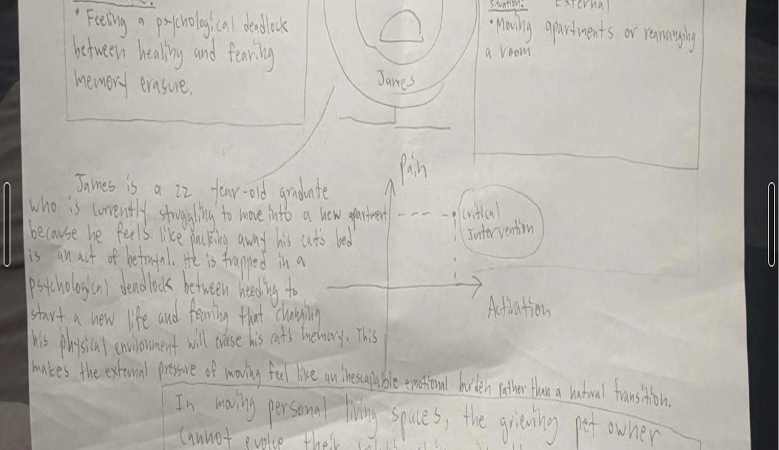
This design addresses the tension between static physical remains and persistent digital data to shift James from emotional stagnation to an intentional evolution of memory. By providing a clear path for closure during a move, it alleviates the heavy emotional burden that makes changing a living space feel like a betrayal. This transition guides the grieving process through a natural beginning and middle toward a clearly defined, intentional end.
How might we help James intentionally transition the "museum of loss" in his apartment into a portable narrative that allows him to move forward without the guilt of erasure?
How might we help a grieving owner organize and curate their existing physical and digital memorial items during a move to reduce the feeling of psychological weight?
How might we design a ritual for "intentional sunsets" where digital data and physical artifacts naturally fade over time to mirror the human process of moving on?
The specific person: Sarah, a student packing up her apartment, stuck holding a heavy physical memorial item from a loved past relationship. She is standing alone in a room full of cardboard boxes holding a tangible artifact. Packing the item away into a dark box feels like an act of betrayal and permanent erasure. After presenting, the room's feedback made the direction clear: losing photos of late parents felt far more high-stakes and relatable — shifting focus toward just how fragile our digital connections to family memories really are.
Tension statement
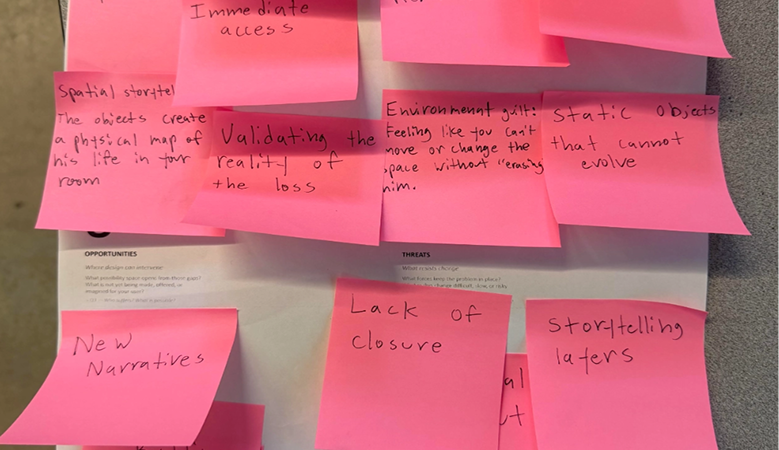
When James rearranges his personal living space, he feels a heavy and inescapable emotional burden because static physical artifacts and persistent digital records provide no path for closure.
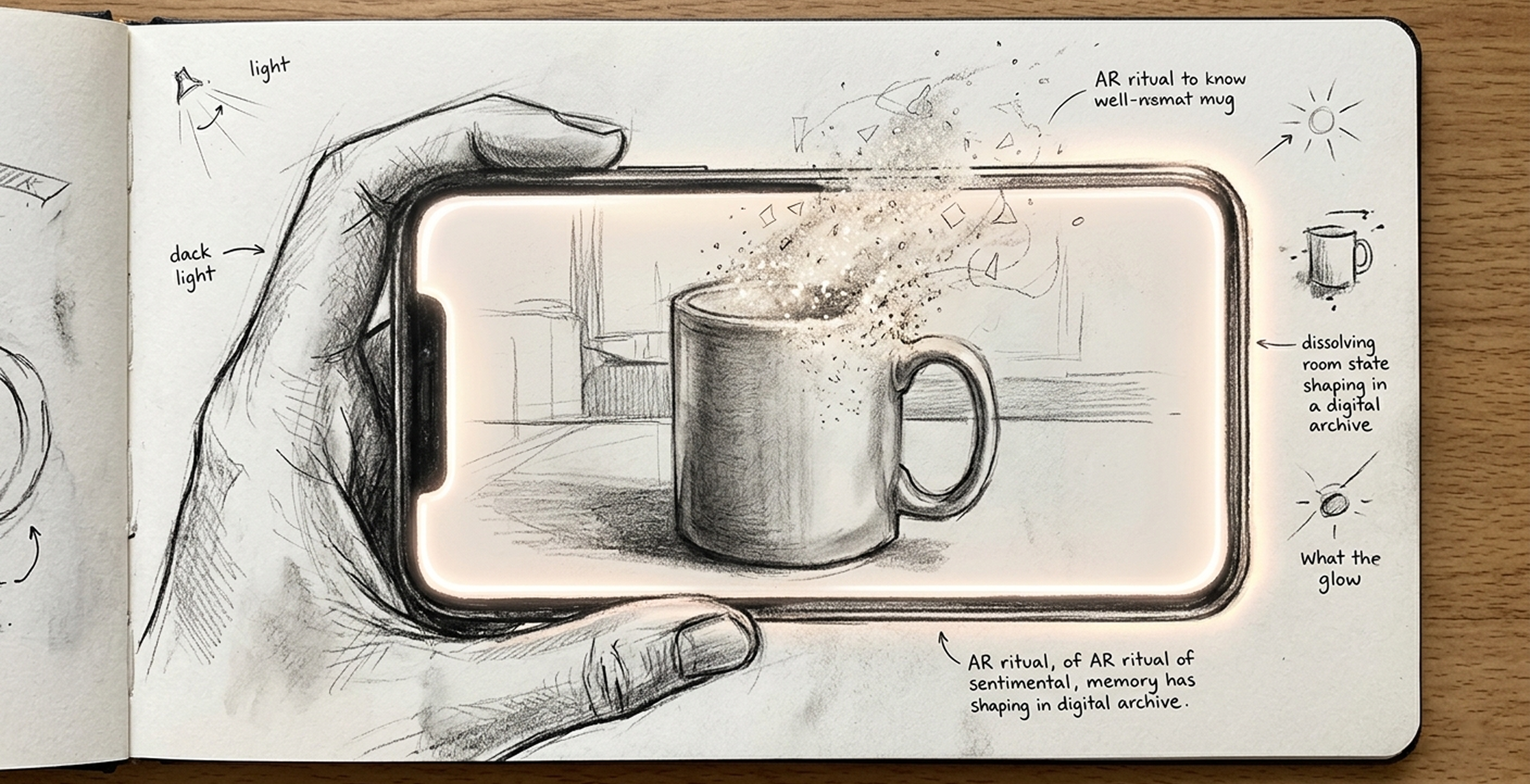
AI uses computer vision and photogrammetry to reconstruct the object's geometry and textures from photos, turning static items into portable, spatial digital assets. But instead of preserving them forever, the intervention uses that same AI capability to guide a beautiful, intentional release — the screen exhales the memory outward as rising smoke and golden light.
Implement
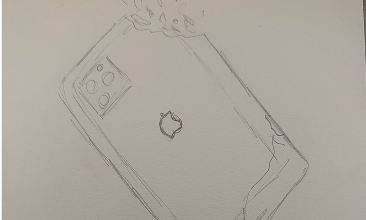
The first making move. The challenge: keeping the phone permanently broken in every frame while generating the warmth of a moment of letting go.


What the making showed
Making this confirmed that the project needs to tie the "digital exhale" directly to the cracked, broken phone — the mix of sadness and beauty in letting go of a memory. The hard part: making faint, ghostly outlines look beautifully integrated into the smoke rather than just forced in.
Convergence
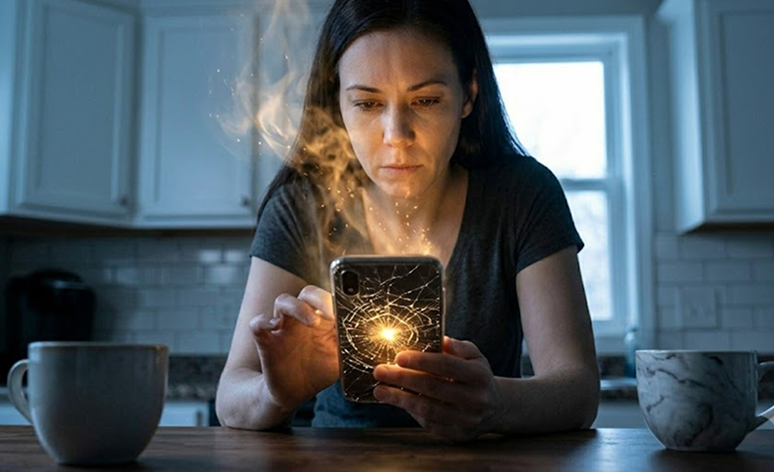
The broken screen had to stay broken. Any AI tendency to "fix" the glass was the most persistent failure mode. The texture cues had to be behavioral constraints, not decorative requests.
The core visual argument, tested in pairs. Before: the state of digital grief — memory inaccessible, the loss raw. After: the intervention generating the release — warmth, smoke, and the exhale of letting go.
Before
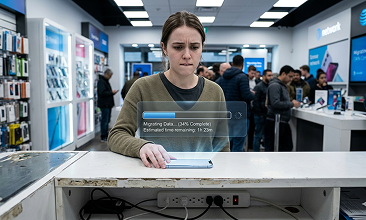
Sarah in stasis — the device broken, the memory locked, the grief with no path forward.




After
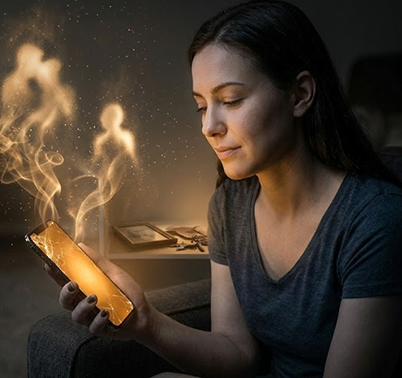
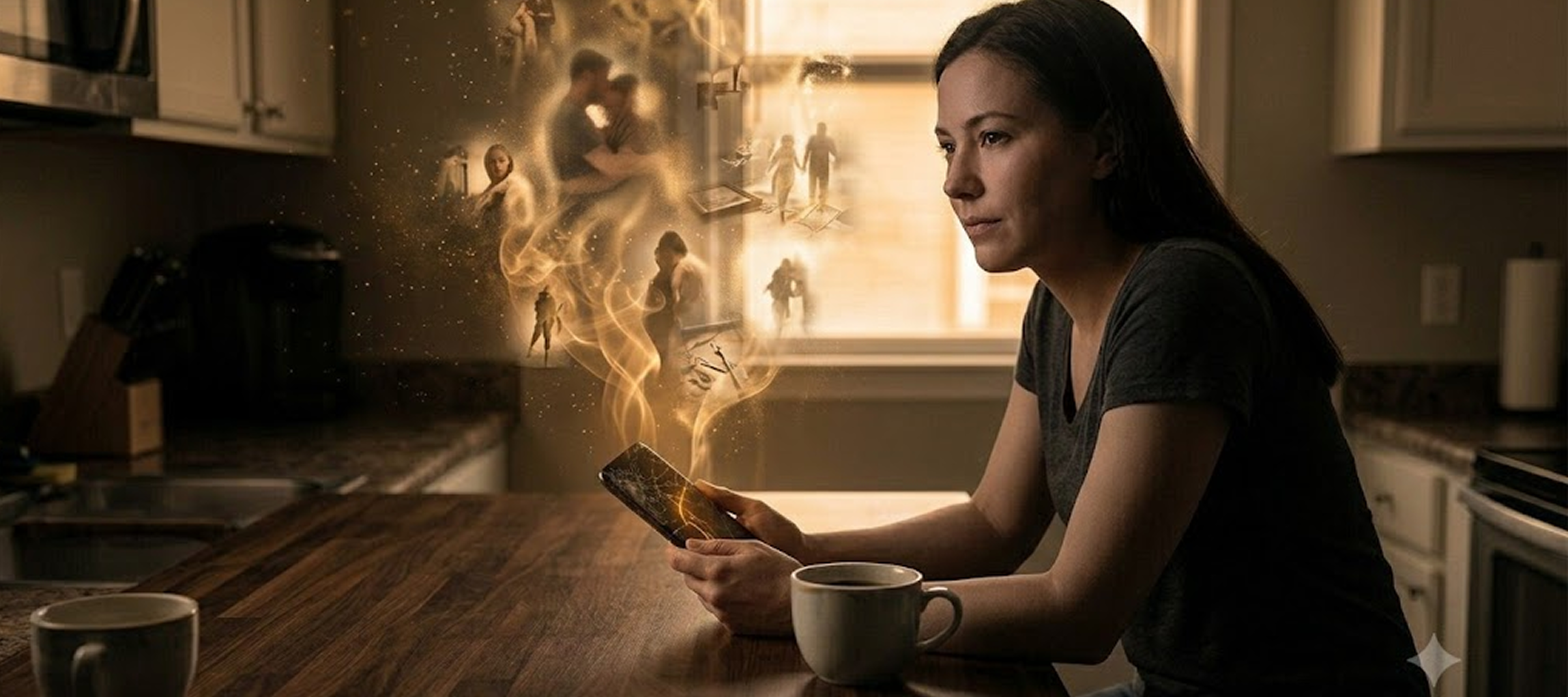
What the app generates — not preservation, but a beautiful dissolution. The screen still broken. The memory rising as light.
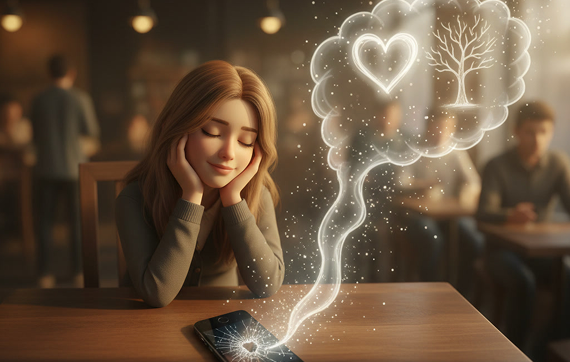


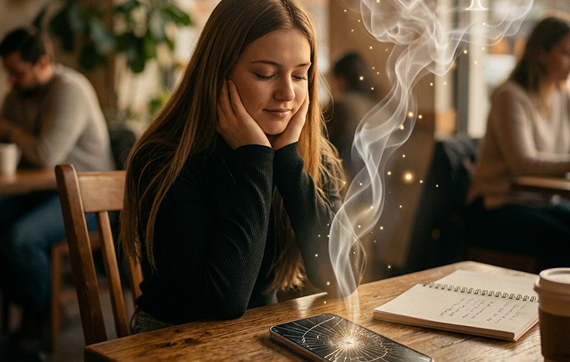
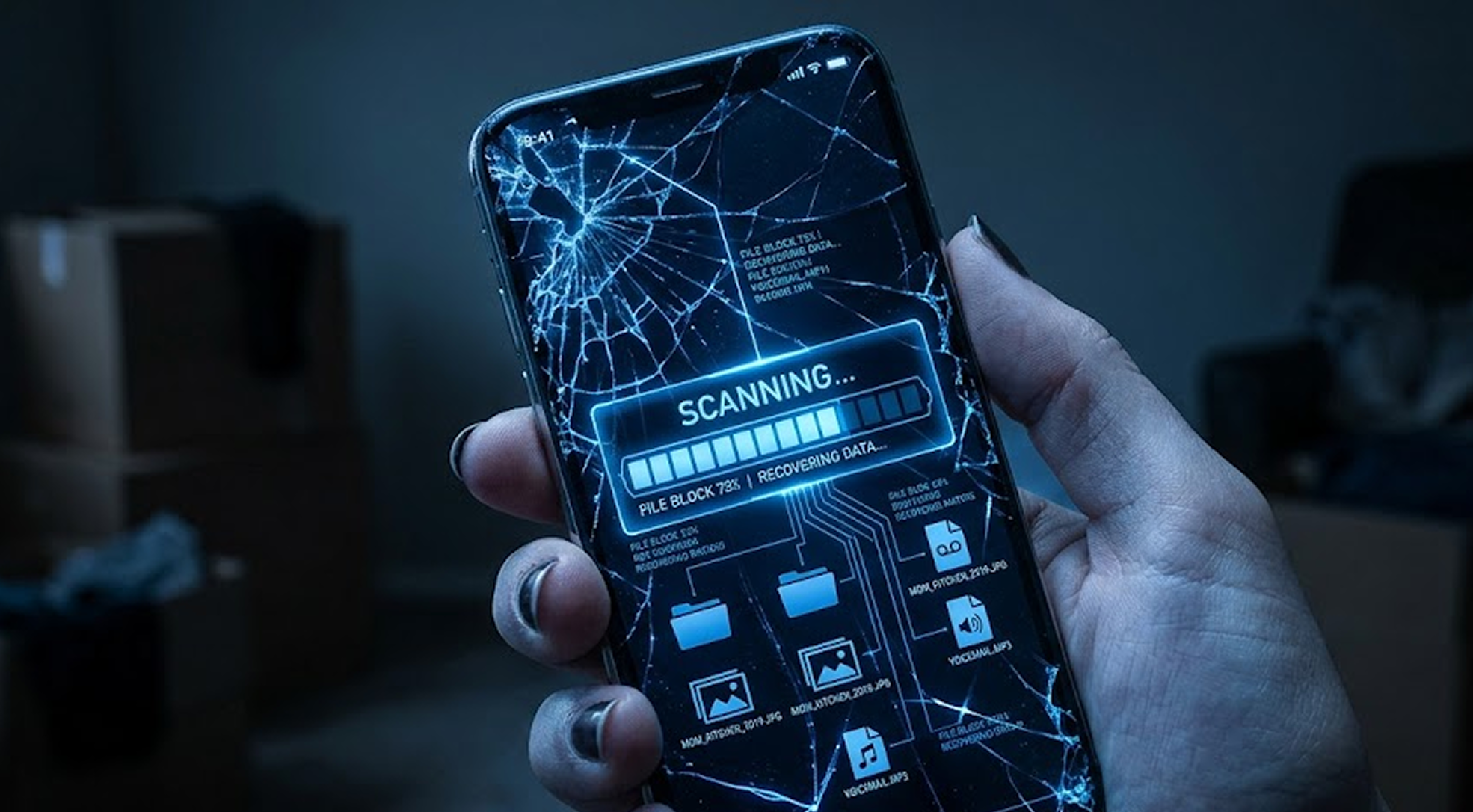
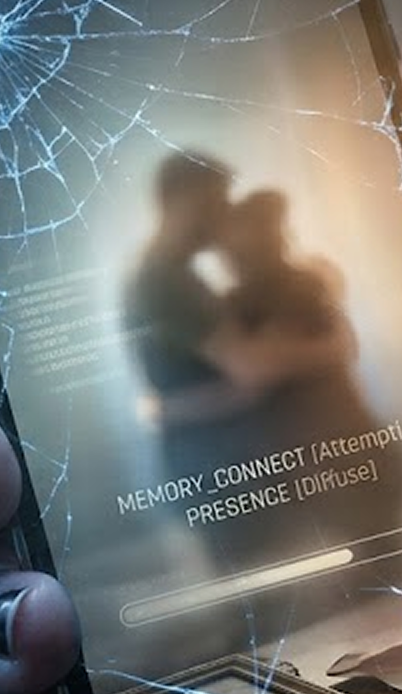
Three crops, three emotional distances. The landscape holds scale and the device's presence in the room. The portrait holds the weight of what is being held. The square isolates the moment of release.
What I learned
The landscape needed to feel intimate, not cinematic — the room had to be present. The square ended up being the frame that held the most emotional compression. That became the reference point for everything that followed.
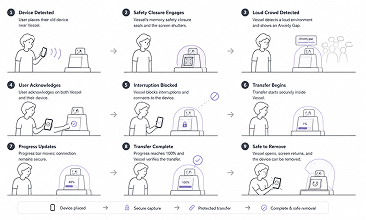
Photogrammetry maps the broken geometry. The dissolution algorithm renders the reconstruction as warmth, not data. The sequence: scan the cracked device → reconstruct its surface → animate the photos rising as golden particles and smoke, fading to nothing.


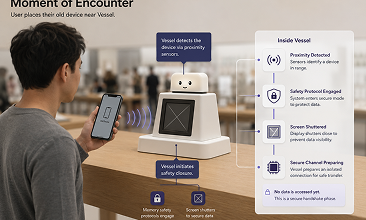
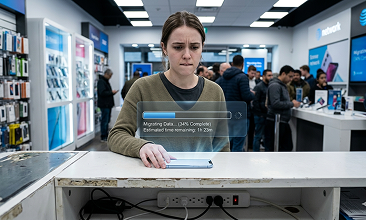
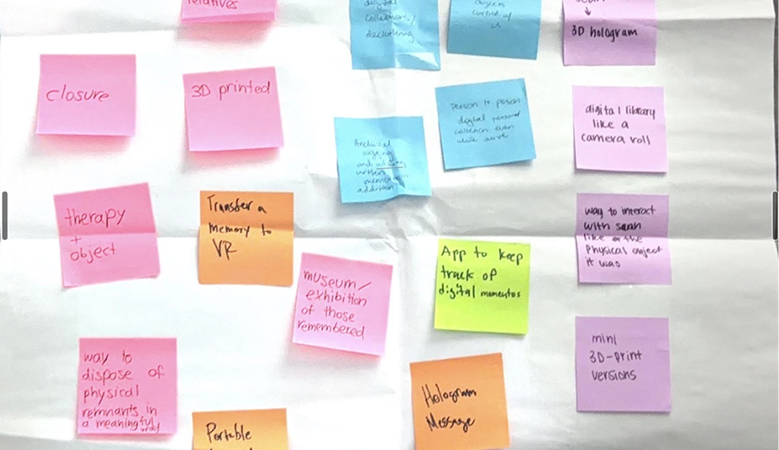
The three ideation images show different approaches to the "how" before the mechanism was locked. The diagram shows the final logic: the cracked device is the input, the exhale of light is the output, and the algorithm that bridges them has to read as emotional, not technical. The constraint that held everything together: the broken glass never heals. Repair was never an option.
Two images that define everything. Not a mood board — a set of behavioral constraints that every generation was measured against.

The emotional register: dim, warm, intimate — catharsis without drama
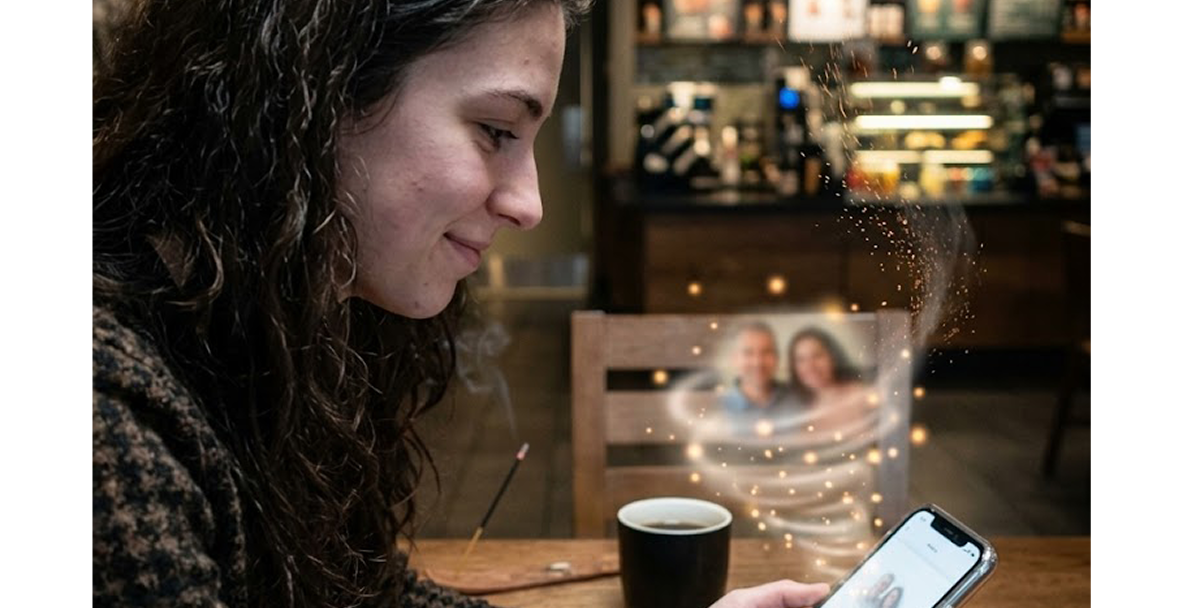
The visual logic: smoke, amber light, organic dissolution
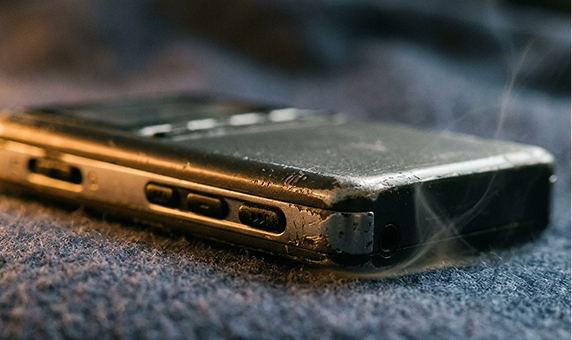
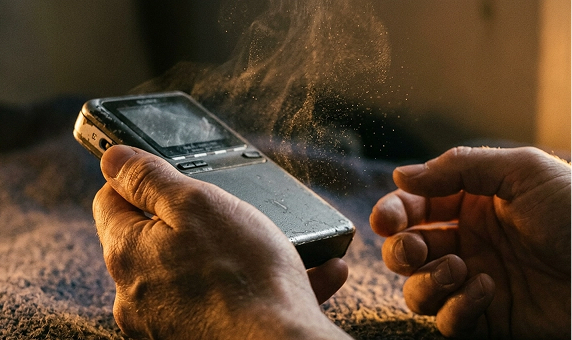
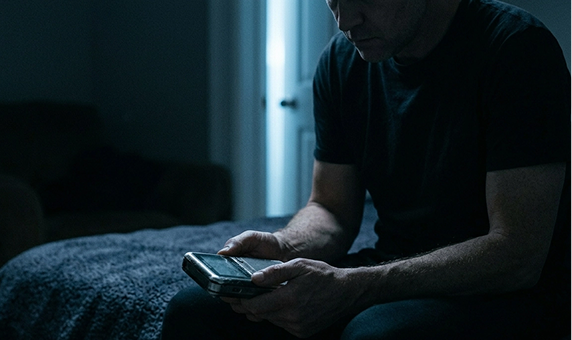
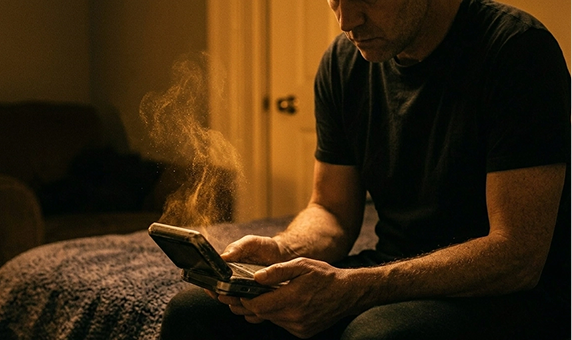
The world this project lives in is private, warm, and still. The light is dim and gentle, never harsh or bright. Everything feels soft and grounded — a quiet space where memories can safely fade. The emotional register is catharsis and peaceful relief, without dramatic performance. We never show cold digital interfaces, crisp graphics, or panic. Everything in frame feels personal, comforted, and ready to let go, slowly dissolving into light.
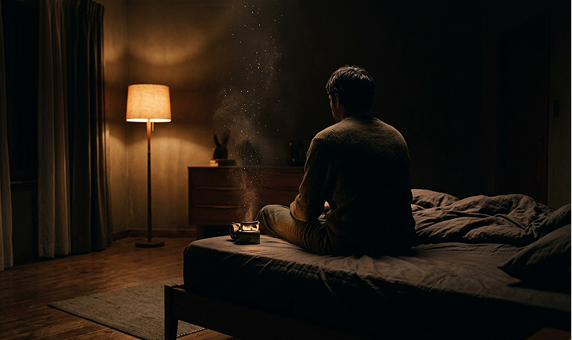
12 shots across three groups — exploring how warmth, smoke, broken glass, and organic light work together. What held: the amber glow that feels like memory itself exhaling. What didn't: anything that let the glass heal or the light go cold.




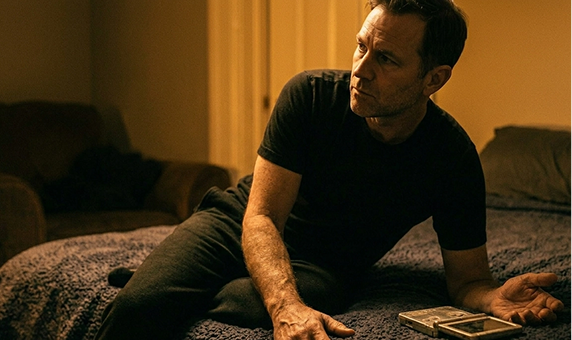
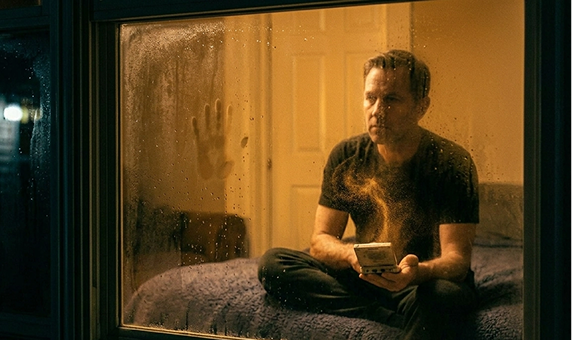
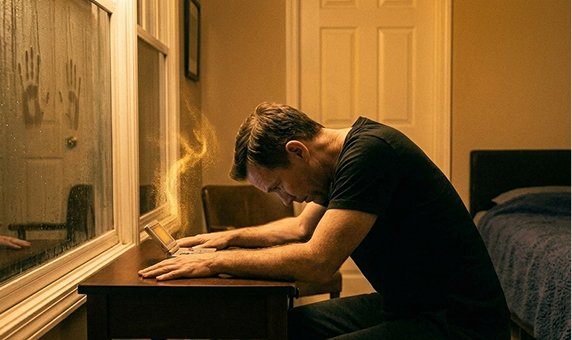
What held across iterations
Deep bedroom shadows with an organic, swirling amber light. The broken screen had to stay broken — any AI tendency to "fix" the glass was the most persistent failure mode. The texture cues had to be behavioral constraints, not decorative requests.
Storytelling
Four beats. Who Sarah is, the moment her phone is stolen, the Vessel entering as guide, and the quiet peace that remains after.
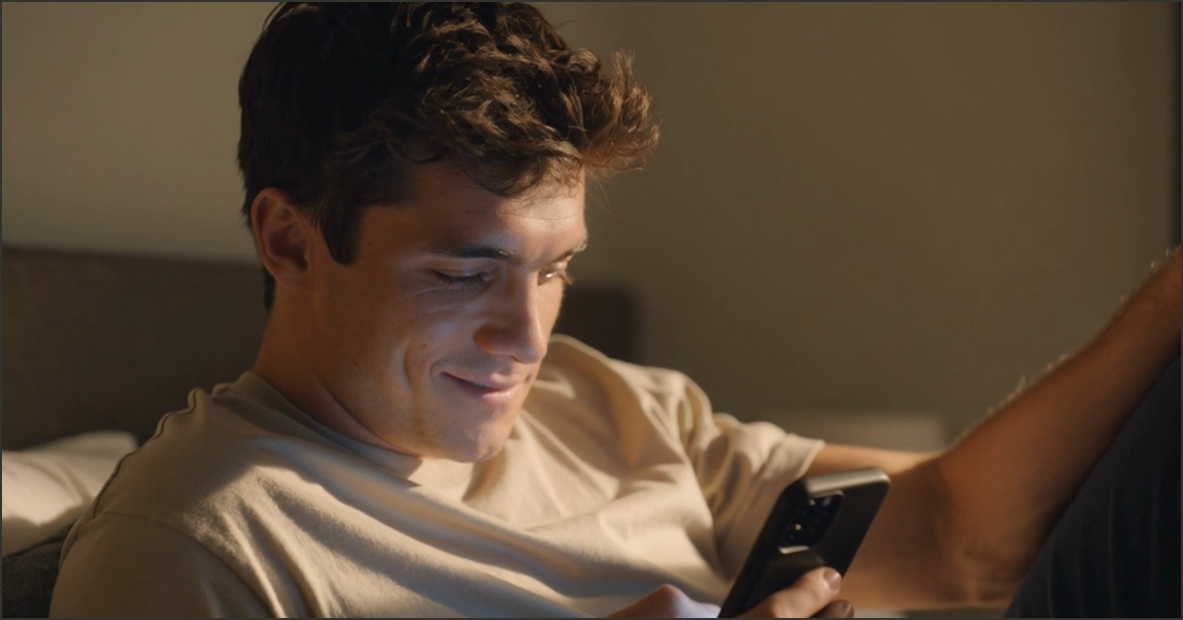
Sarah, a student packing up her apartment, holding something she cannot put down — a physical artifact tied to a relationship that no longer exists, standing alone in a room full of cardboard boxes.
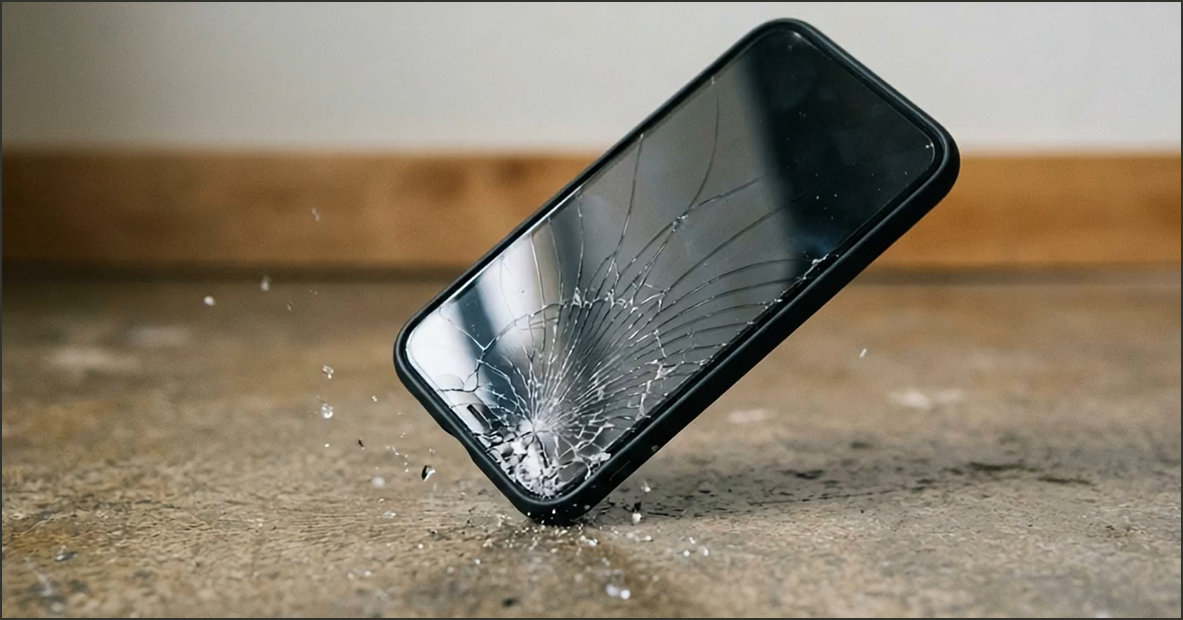
The device is suddenly stolen, which completely severs her connection to her personal archive and leaves her in absolute digital grief — the photos, gone. No backup. No path back to that version of herself.
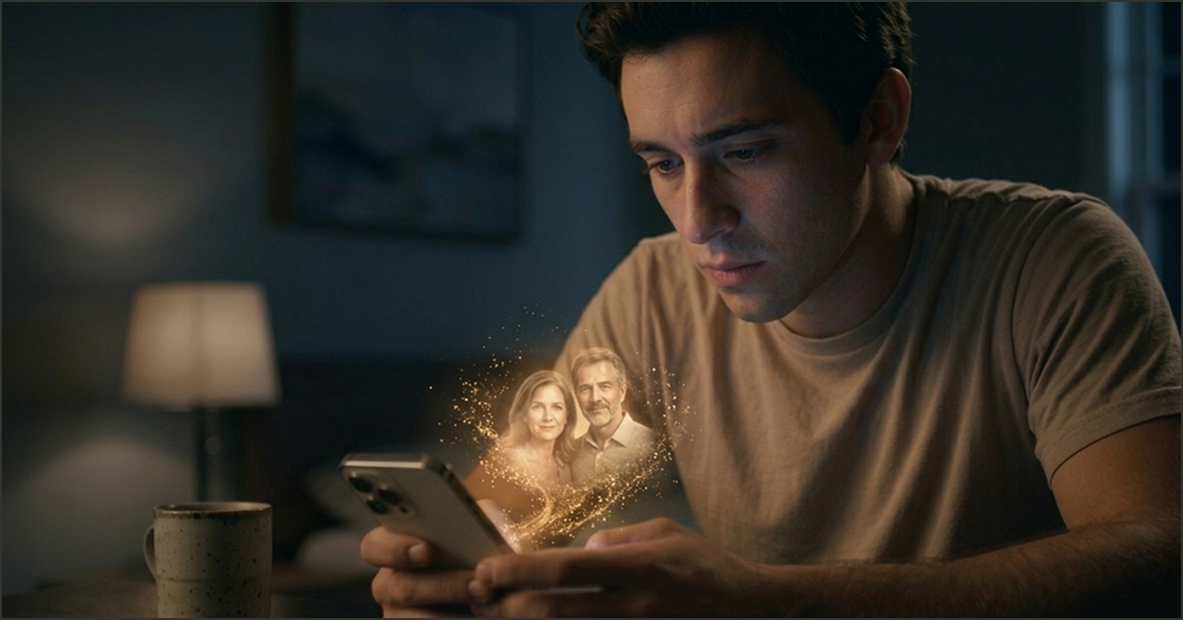
After getting a new phone, the app enters by recreating a loved one's memory and gently guiding Sarah to physically let it go — the interface dissolves the memory into rising golden particles and smoke.
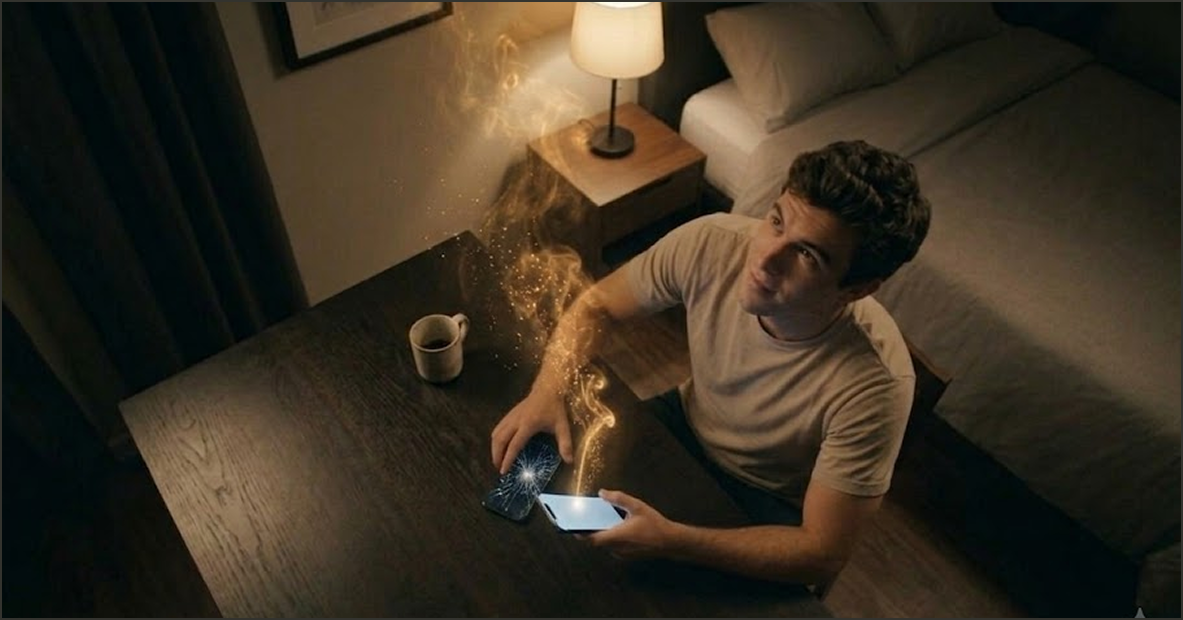
The app on the new phone successfully transitions Sarah into a quiet sense of closure and relief, leaving her at peace with the digital memory and ready to move on.
Directed like an emotional commercial — warm, intimate visual style that transforms a piece of software into a comforting sanctuary. The exact, heavy sigh of relief when the panic of loss finally melts into a beautiful moment of letting go.
Style and storytelling
I directed this like an emotional commercial, choosing a warm, intimate visual style that transforms a piece of software into a comforting sanctuary. I wanted the viewer to feel that exact, heavy sigh of relief you get when the panic of loss finally melts into a beautiful moment of letting go.
Evaluate
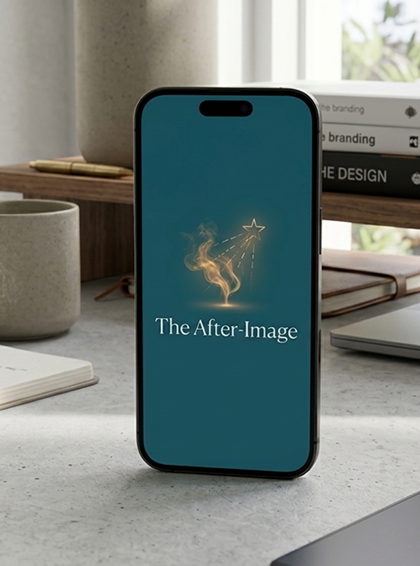
Directing the AI for the Vessel commercial meant moving past standard, glossy tech visuals to capture genuine human feeling. I treated the AI as a creative partner by feeding it highly specific texture cues and behavioral constraints rather than letting it default to generic digital assets. For the final shot, I guided the tool to balance deep bedroom shadows with an organic, swirling amber light. This collaborative process allowed me to maintain strict artistic control and execute a premium, emotionally resonant brand story from start to finish.
I now know how to build a highly restrictive prompt architecture that anchors an AI generator to a strict emotional and visual register across multiple creative mediums.
Before
Before this course, I thought AI image generation was mostly an unpredictable playground where you just throw in random keywords and hope for a visually interesting result.
Now
I now know that a broken screen is not just a hardware failure but a deeply emotional human transition, and design has the power to transform that sudden panic into a beautiful moment of peace.
Class Gallery
A breadcrumb trail across the process. Not polished. Real. Every image here is a decision point or an experiment that shaped what was made.
Initial framework: mapping internal and external states of a user stuck in psychological deadlock during a life transition.
Signal iteration — amber and shadow combination, testing the warmth constraints before they were locked.
HMW brainstorm: moving from basic digital archival to how an interface can guide active, tactile release.
Final signal test: the broken screen holding throughout without AI "fixing" the glass.

Narrative storyboard: Sarah's emotional journey through the four commercial beats.
Research synthesis: mapping what existing grief rituals do vs. what a digital ritual could do differently.
Intervention inventory matrix: prioritizing how Sarah physically experiences the vibration of data moving.
SWOT canvas on honoring digital remains — highlighting "digital loops" and "environment guilt."
The final frame — organic amber light, swirling smoke, and the quiet of having let something go.